What to Do on the Island of Hawai‘i: 7-Day Itinerary
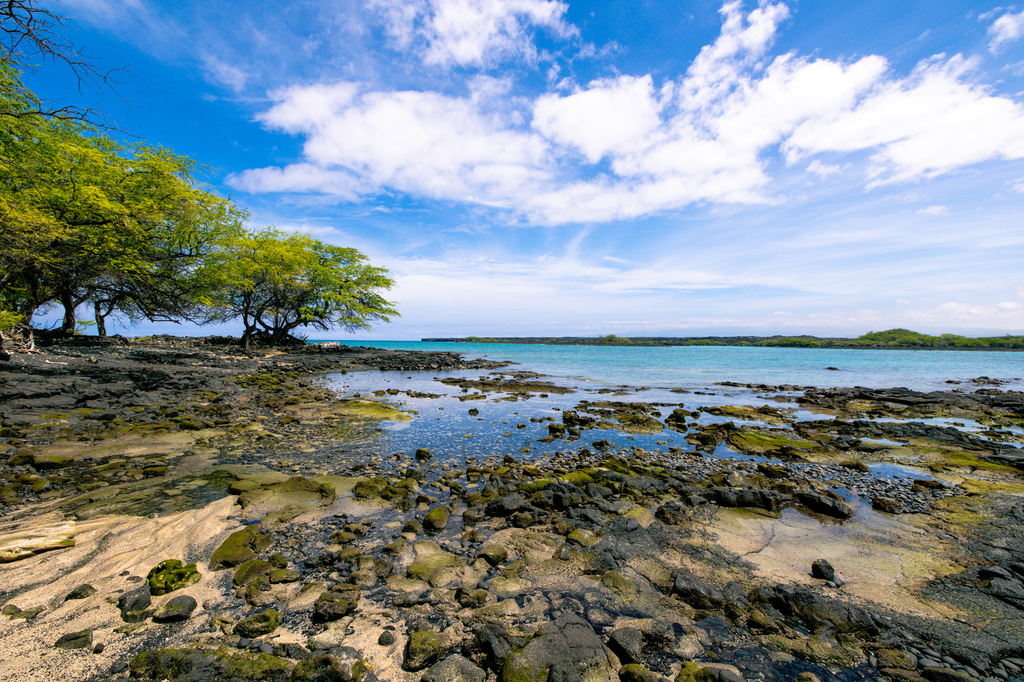
In this guide we share how to spend seven days on the Island of Hawai’i! This comprehensive guide to what to do on the Island of Hawai‘i includes everything you need to know about what to see and do in Hawai’i, where to stay, and adventures you can do on the island!
If you are looking for the ultimate Island of Hawaiʻi itinerary, this adventure-packed travel guide is for you. The Island of Hawaiʻi, sometimes called the ‘Big Island,’ is one of the best tropical destinations in the world. It is the perfect choice for travelers seeking adventures filled with volcanoes, rainforests, and palm tree filled beaches. From snorkeling along the Kona coast to exploring Hawaiʻi Volcanoes National Park, the Island of Hawai’i offers nonstop outdoor adventure. Fun fact: the Island of Hawai’i is home to some of the most active volcanoes on Earth!
In this guide to what to do on the Island of Hawai‘i, we share exactly how to spend seven days on the Island of Hawaiʻi. This itinerary begins on the west side in Kona, then follows a counterclockwise loop around the island through Hawaiʻi Volcanoes National Park, through the mountainous region of Mauna Kea, before returning to Kona. Along the way, we cover must-see stops, scenic drives, and the best experiences to help you plan an epic Island of Hawai’i road trip. This itinerary takes you beyond the resorts (don’t worry, you’ll visit those, too!) for a true adventure.

Welcome!
We’re Gwyn and Ami. Based in Spokane, Washington, we’re your guides to the Pacific Northwest and beyond!
We’re adventure travel experts, and our blog is all about helping you find the best hikes, weekend getaways, and national park adventures in the United States and abroad. You can find more on Instagram @gwynandami.
The ultimate guide to the Island of Hawai’i: seven day itinerary
We have done the research so you don’t have to! Below, we share what to do on the Island of Hawai‘i. We’ve packed the information into the perfect seven day itinerary for the Island of Hawaiʻi.
Before diving into the day-by-day itinerary, we share where to stay on the Island of Hawaiʻi, the best time of year to visit, and some important travel tips to help you plan your trip with confidence.
How to get to the Island of Hawai’i

The Island of Hawai’i is located in the Pacific Ocean, and requires a multi-hour flight to reach. The island has two major airports: the Hilo International Airport (ITO) on the east side, and Kona International Airport (KOA) on the west side. We flew to Kona via the west coast of the U.S. and it was a 6 hour non-stop flight, so plan for a full travel day!
Need a rental car to get around on the island? We find that booking.com usually has the best prices on rental cars! That’s what we used for this trip.
When to visit the Island of Hawai’i
The Island of Hawai’i is a fantastic year-round destination to visit. Generally, spring (March – April) and fall (October – November) are ideal for pleasant weather on the island. If you want to avoid the crowds, avoid the weeks surrounding Christmas and New Year’s, as well as the spring break season. Additionally, the week of the Merrie Monarch Festival (March / April) in Hilo causes increased demand for lodging accommodations, which can push up prices.
We visited in mid-April, on the tail end of spring break. Temperatures were warm but not too hot, though it was quite humid. We did not experience much rain.
Where to stay on the Island of Hawai’i
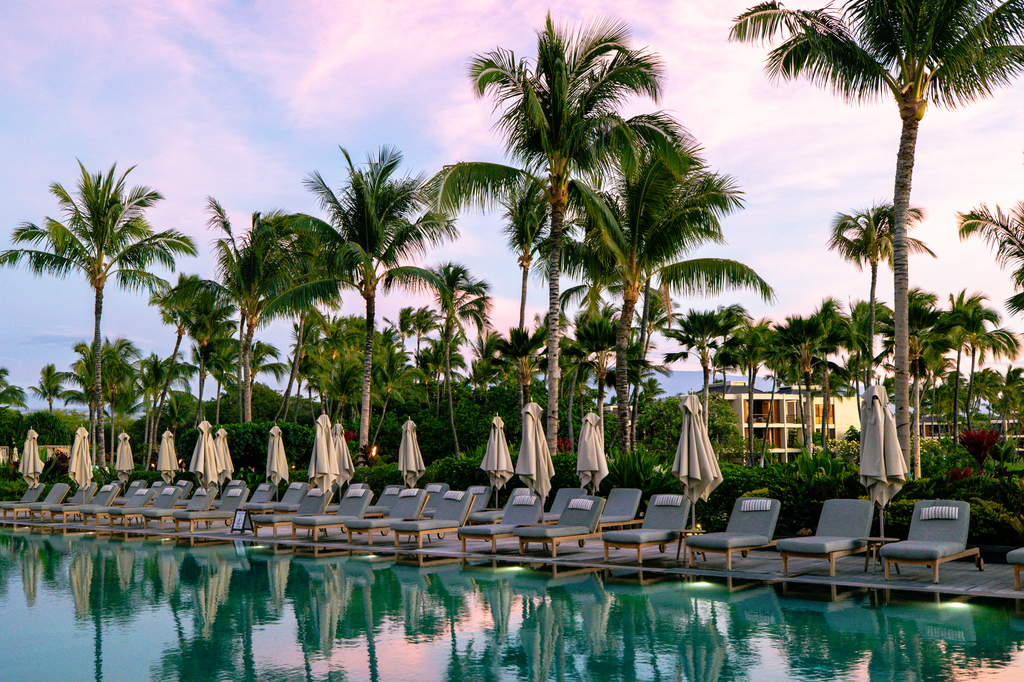
Choosing where to stay on the Island of Hawaiʻi plays a big role in shaping your experience. The west side of the island near Kona is best known for its oceanfront resorts, crystal-clear water, and easy access to snorkeling. Kona resorts are world-famous for their hospitality, and beautiful Pacific Ocean views.
On the east side of the island near Hilo, accommodations are more limited, with fewer resort-style options. Hilo offers comfortable hotels that are ideal for exploring rainforests, waterfalls, and Hawaiʻi Volcanoes National Park. Staying in both regions allows you to experience two very different sides of the Island of Hawai’i.
For this 7 day Island of Hawaiʻi itinerary, I recommend starting your trip with three nights near Kona at the Outrigger Kona Resort and Spa. This oceanfront resort is especially well known for manta ray snorkeling just offshore and offers stunning sunset views. Next, spend three nights on the east side of the island at the Hilo Hawaiian Hotel. While it feels more like a classic hotel than a resort, its central location makes it an excellent base for exploring Hilo, waterfalls, and Hawaiʻi Volcanoes National Park.
For your final two nights, return to the northwest side of the island and stay on the Kohala Coast at the Fairmont Orchid. This luxury resort is known for its exceptional service, serene beachfront setting, and some of the most beautiful ocean views on the Island of Hawai’i.
How to be a good visitor on the Island of Hawai’i: the Pono Pledge
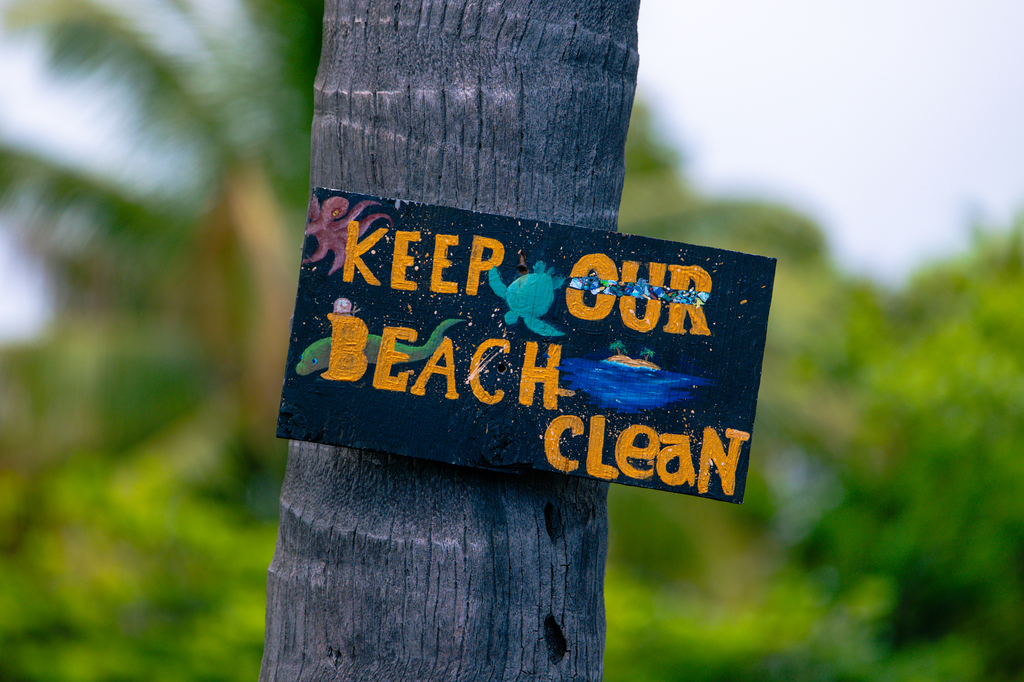
Before visiting the Island of Hawai’i, it’s worth taking a moment to read the Pono Pledge. The Pono Pledge is a set of guiding principles that encourages respectful, safe, and responsible behavior while exploring Hawai’i. “Pono” translates to living in balance and doing what is right, and the “pledge” reflects that mindset through simple but important reminders. It’s important to stay on designated trails; respect wildlife; never take lava rocks, coral, or sand; and prioritize safety in volcanic environments. It’s a meaningful way to approach your visit, especially in a place as fragile as the Island of Hawai’i.
7-Day Island of Hawai’i Itinerary
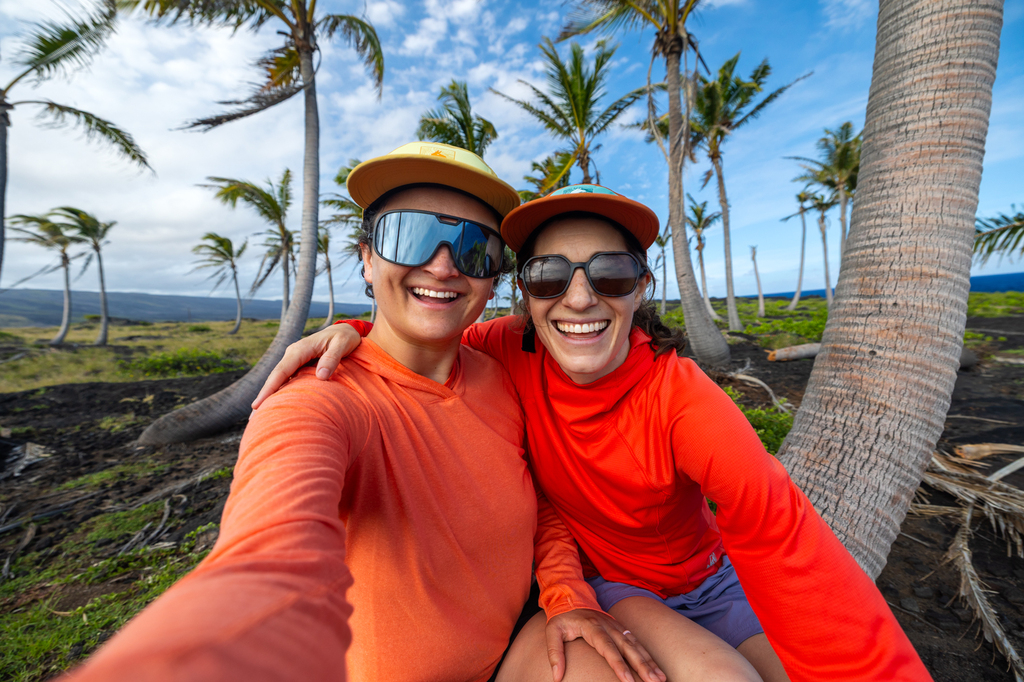
Below is the perfect seven day Island of Hawaiʻi itinerary. This guide is designed for travelers who want to maximize their adventures across the Island of Hawaiʻi while still enjoying the comfort, ocean views, and amenities of Hawaiʻi’s iconic oceanfront resorts. From volcanoes and rainforests to snorkeling and scenic coastal drives, this itinerary strikes the ideal balance between exploration and relaxation.
Day 0: Fly into Kona
To start your 7-day Island of Hawai’i itinerary you’ll fly into Kona International Airport (KOA), then head to your resort on the ocean!
Fly into Kona, Hawai’i
Kona is located on the west side of the Island of Hawai’i. The Kona International Airport (KOA) is the most logical place to start your trip for this itinerary, but Hilo International Airport (ITO) is the other major airport on the island, which is about 1.5 hours from Kona. Kona International Airport has an abundance of rental car options, which you will need for this trip.
Travel hack: If you’re looking to save a bit of money on your trip, I recommend heading to Costco in Kona after the airport to pick up snacks, quick meals, and drinks. We picked up some wine and snacks to tide us over during our trip, which helped offset the cost of eating out.
Check into the Outrigger Kona Resort and Spa
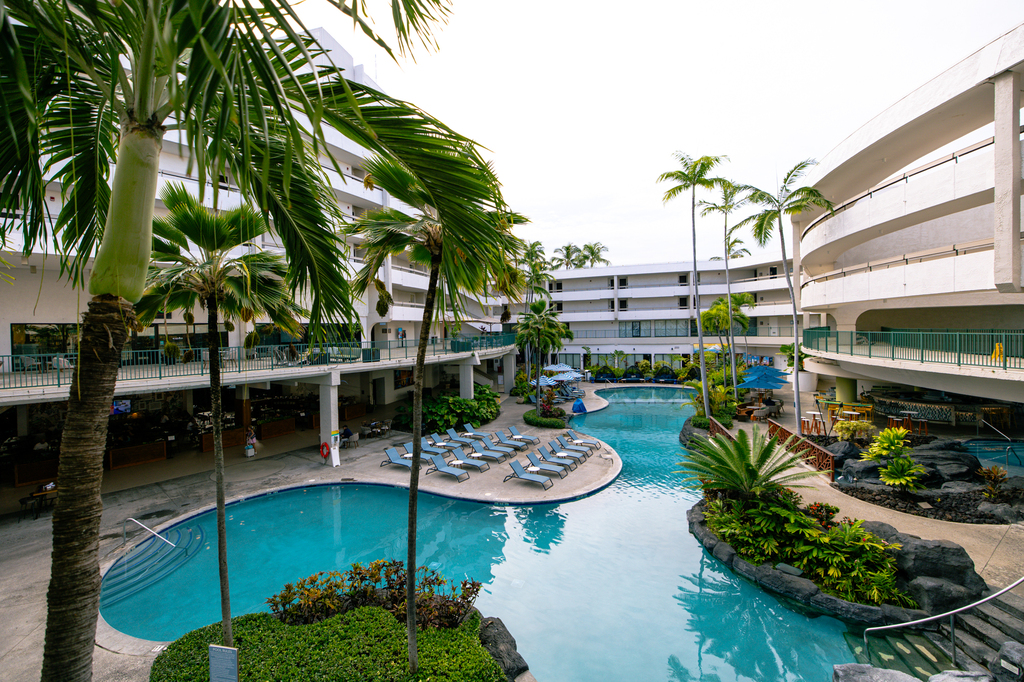
For the first three nights of your trip, you’ll be staying at the Outrigger Kona Resort and Spa. The Outrigger is STUNNING, located on the Kailua-Kona coast overlooking the Pacific Ocean. The vibe is elevated, and the views of the ocean are spectacular. This resort is well-known for the manta rays that swim in the waters just off-shore. Outrigger has a beautiful pool, and several on-site restaurants.
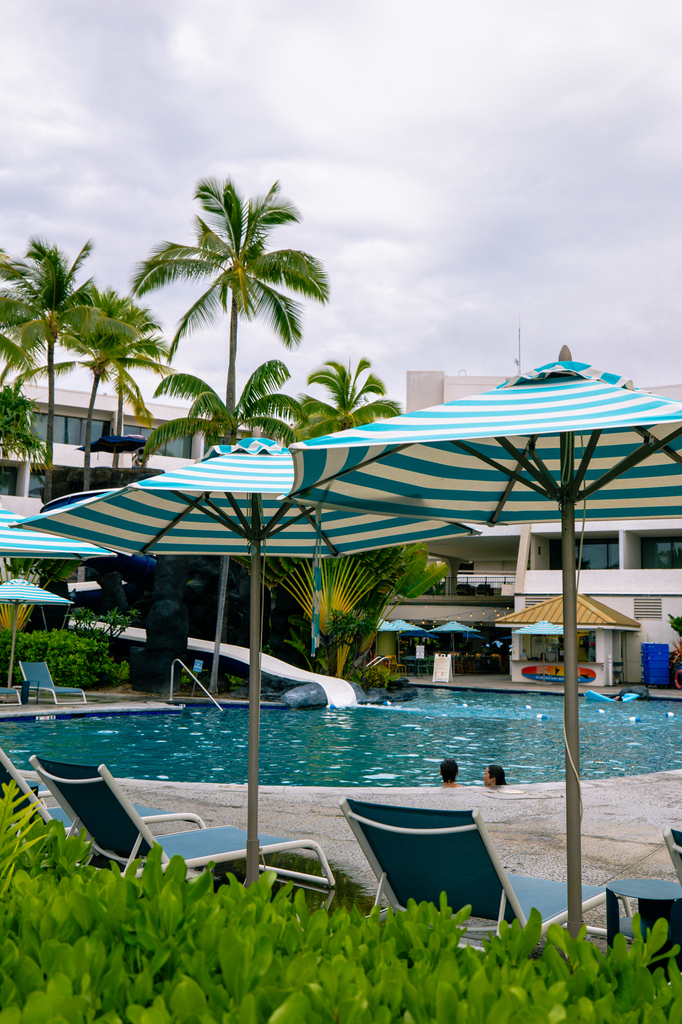

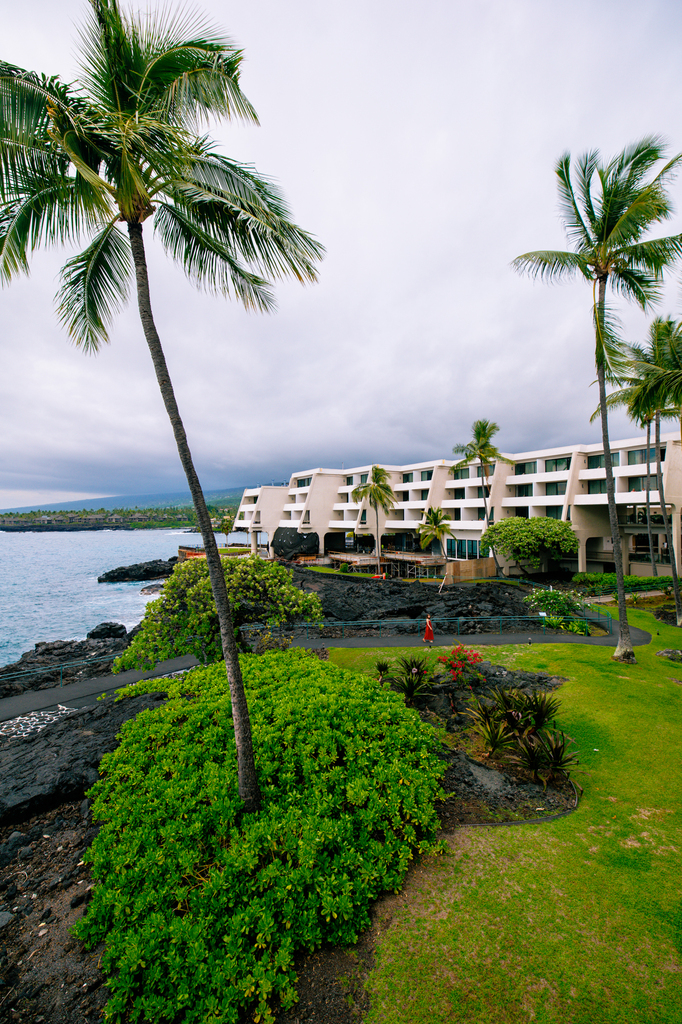
If you book a Club room or suite, you will have complementary access to breakfast each morning and heavy appetizers each evening at Voyager 47 Club Lounge. I recommend having dinner here (I believe the lounge is open 4:30 – 6:30 PM) – the appetizer portions are VERY generous, and the drinks are excellent!
Day 1 (KONA): Roast your own Kona coffee, visit a historic Hawaiian site, enjoy a hike through a cloud forest, and snorkel with manta rays
On day 1 of your Island of Hawai’i itinerary you will start your day taking a tour of one of the famous Kona coffee growers and roasters. You’ll be able to roast your own coffee! Afterward, visit the historic and culturally significant site of Puʻuhonua o Hōnaunau National Historic Park. You’ll end your day snorkeling with manta rays!
Take a coffee farm tour and roast your own Kona Coffee
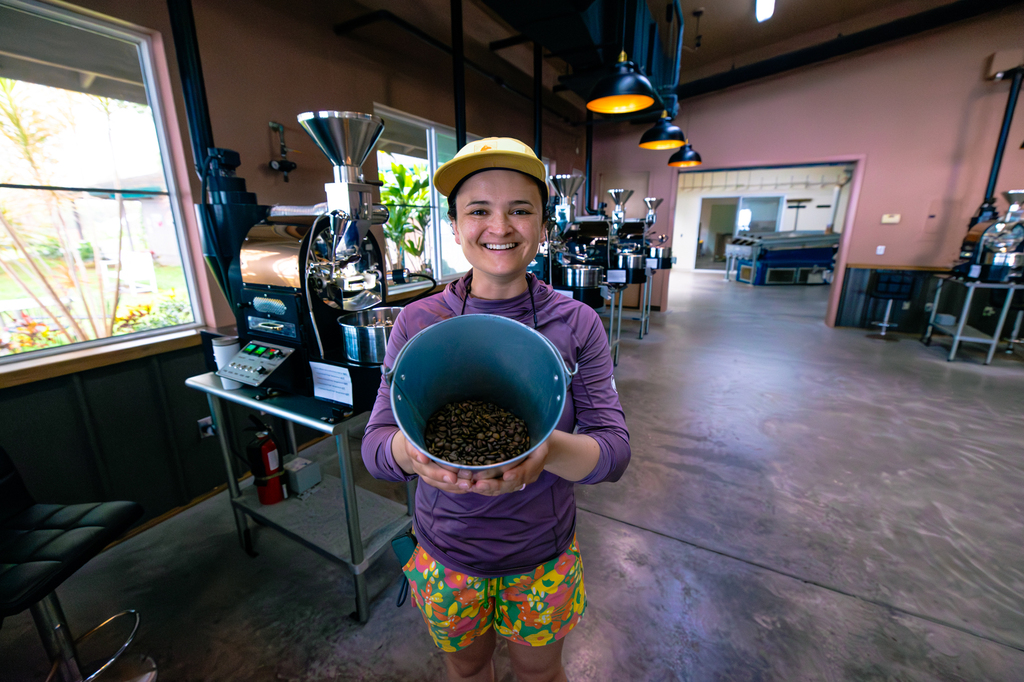
After breakfast at the Outrigger, drive to Kona Joe Coffee for a hands-on Kona coffee farm tour and the chance to roast your own beans. This is an experience you will want to book in advance, as spots are limited. I recommend the 1 Hour Kona Coffee Eco Roast Experience From Cherry to Cup.
During the tour, our guide explained what makes Kona coffee so unique. The experience wraps up with the highlight: roasting your own small batch of Kona coffee using professional equipment. You get to take your freshly roasted coffee home with you, which makes for a perfect souvenir and a great reminder of your time on the Island.
Visit the Puʻuhonua o Hōnaunau National Historic Park
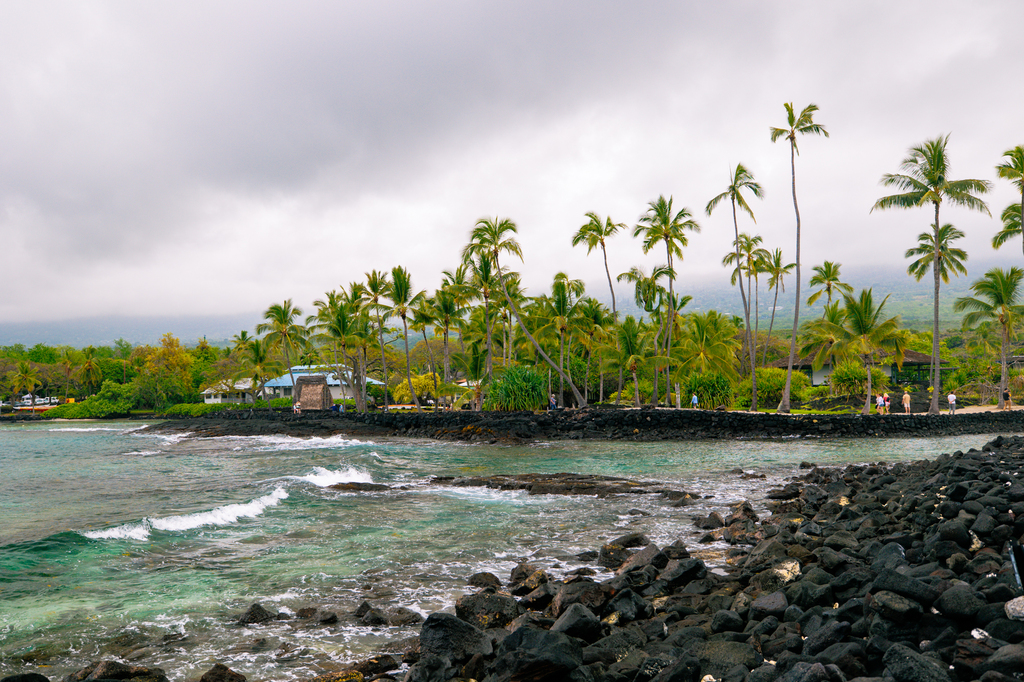
After your coffee tour, head to the Puʻuhonua o Hōnaunau National Historic Park, about 20 minutes south. Puʻuhonua o Hōnaunau National Historical Park is one of the most significant cultural sites on the Island of Hawai’i. In ancient times, it served as a sacred place of refuge where those who broke sacred law could seek forgiveness and safety. It is the best-preserved cultural sites in Hawai’i and home to important structures like Hale o Keawe. There are many carved figures, so they should be viewed with cultural respect. Entrance fees are $20 per car, or free with the America the Beautiful pass.
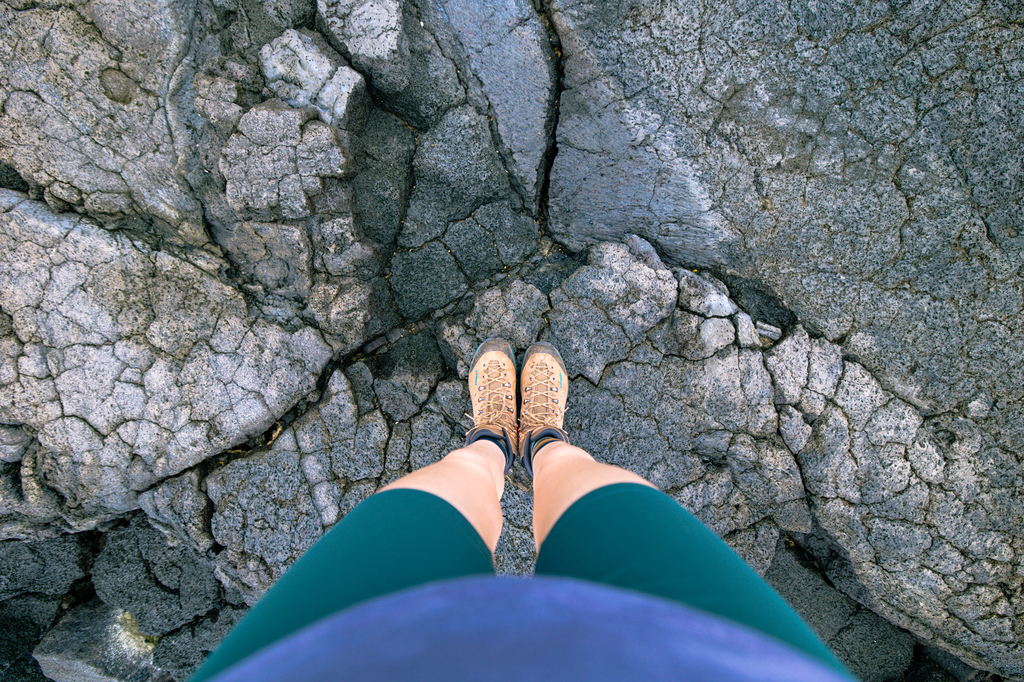
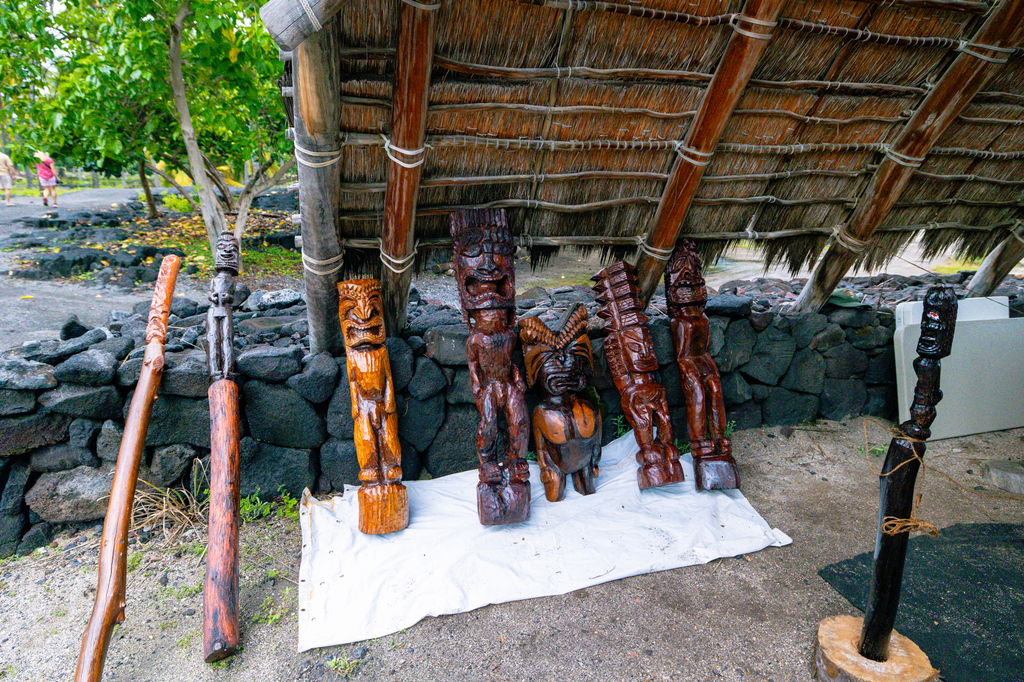
While here, I recommend hiking the 1.5 mile Place of Refuge trail along the coast. You’ll see rugged rocky cliffs and an old lava tube that spilled into the sea. Bring water, as it is hot and exposed!
Pono pledge tip: Remember to visit the Puʻuhonua o Hōnaunau National Historic Park with respect and reverence. This spot is a place of great cultural significance for the people of Hawai’i.
Go snorkeling with manta rays
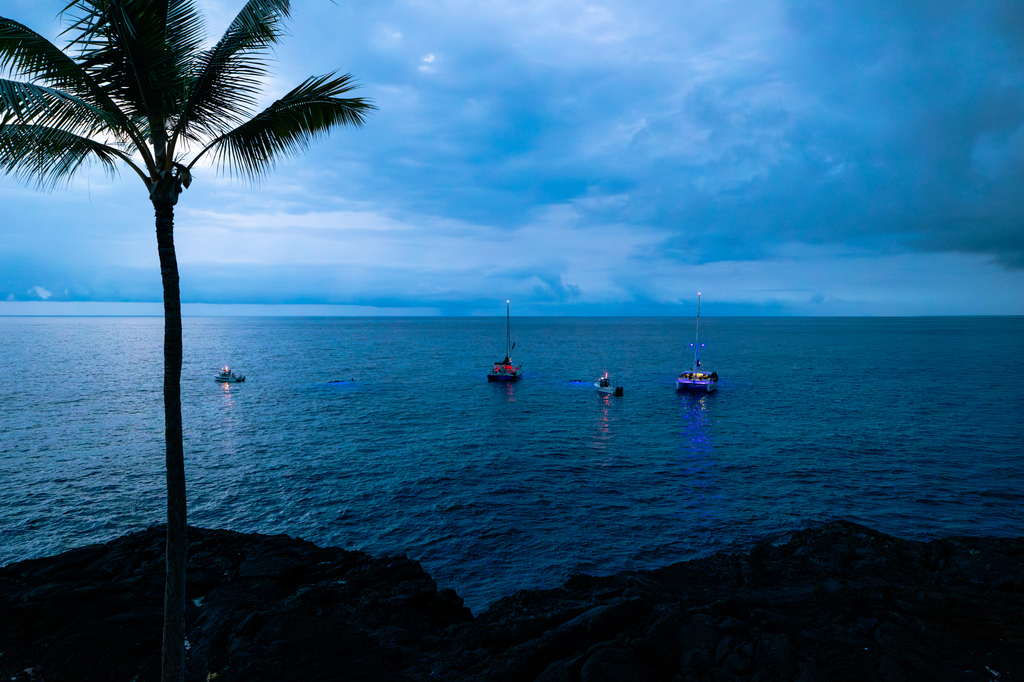
If you only do one activity in Kona, make it a nighttime manta ray snorkel. We booked with Anelakai Adventures and loved the experience thanks to their small group size, capped at just six people. The tour takes place at night, when mantas are drawn to the light from the boat, creating an unforgettable up-close encounter. We saw five manta rays, some swimming just inches away. Anelakai provides all necessary gear, including a mask, snorkel, and wetsuit top. Fins are not allowed, and remember to never touch the manta rays.
Pono pledge tip: Remember to never touch manta rays, even if they swim close to you! As the saying goes, they can touch you (they likely won’t), but you can’t touch them.
Day 2 (KONA): Kona’s best snorkel spot and and hiking a Kona cloud forest
Day 2 combines two of Kona’s most memorable experiences, snorkeling the crystal-clear waters of Kealakekua Bay and hiking through a rare cloud forest. You will spend the morning snorkeling near Kona, then trade waves for a beautiful hike beneath towering tree ferns.
Take a guided snorkel tour to one of Kona’s best snorkel spots
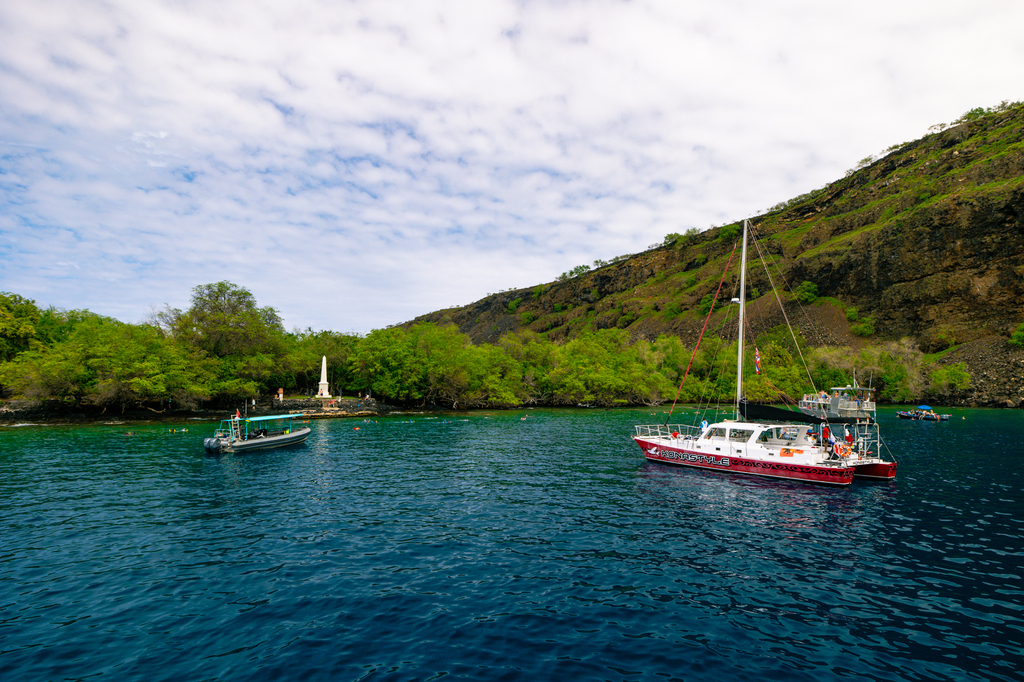
In the morning, join the Fair-Wind Morning Kealakekua Snorkel Tour, which is a 5 minute walk from the Outrigger Resort and Spa. You will board one of their massive boats and head to one of the best snorkeling spots in Kona. On our tour we saw dolphins, manta rays, two humpback whales, and tons of tropical fish! It was beautiful!
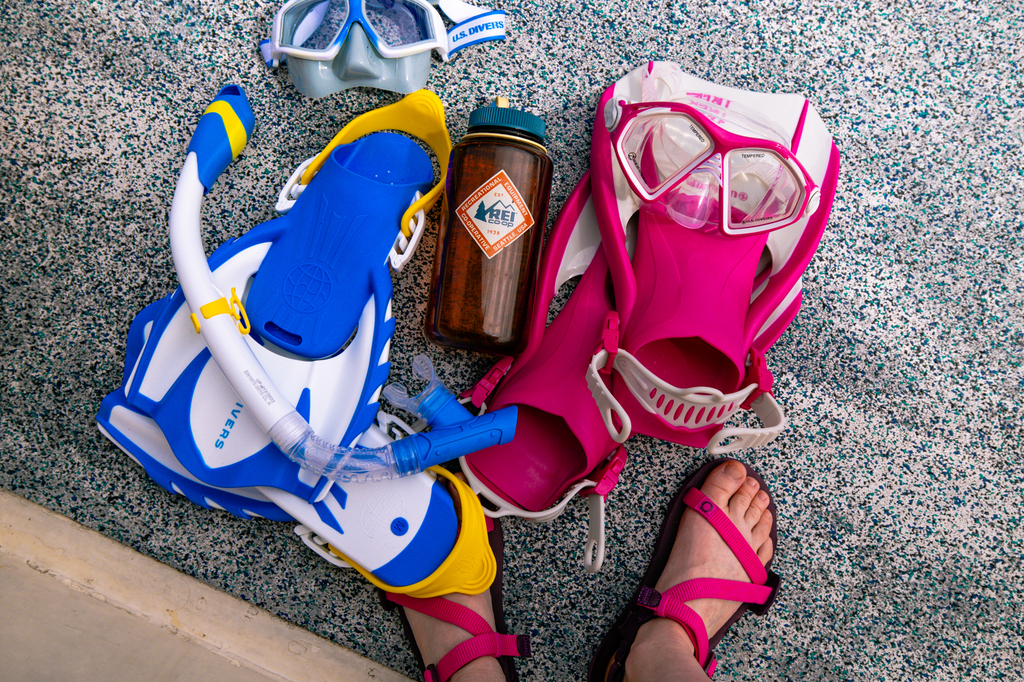
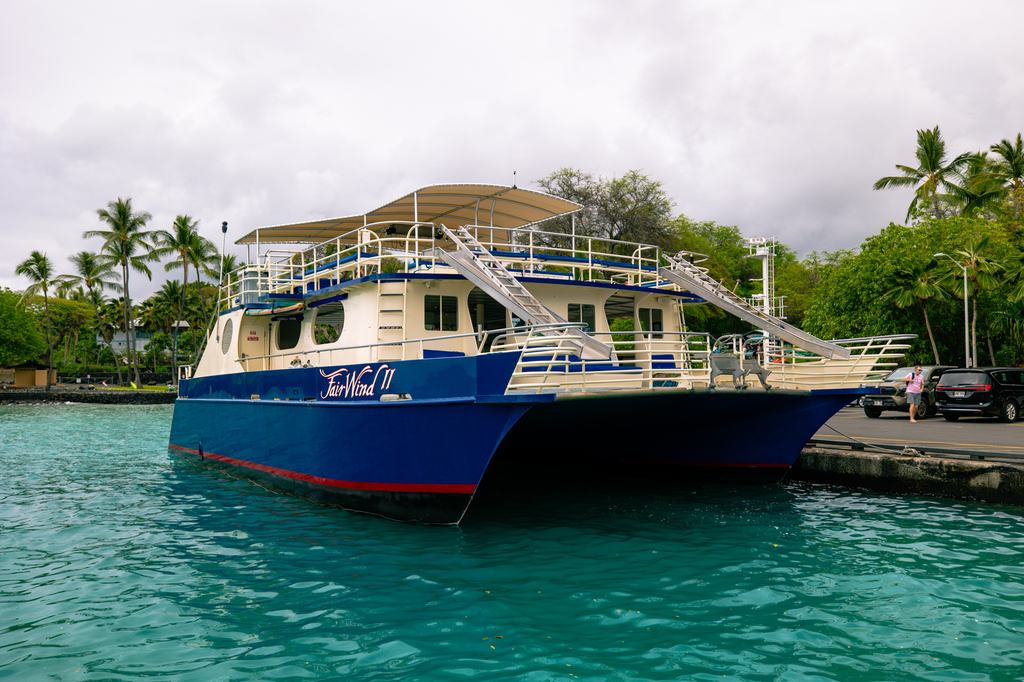
The snorkel tours last about 5 hours and they provide breakfast, lunch, and drinks. Vegetarian options were available! They also provide fins, masks, and snorkels; though, you can bring your own if you want. They also provide free reef-safe sunscreen you can use. I recommend booking your tour in advance.
Go on a hike in a cloud forest
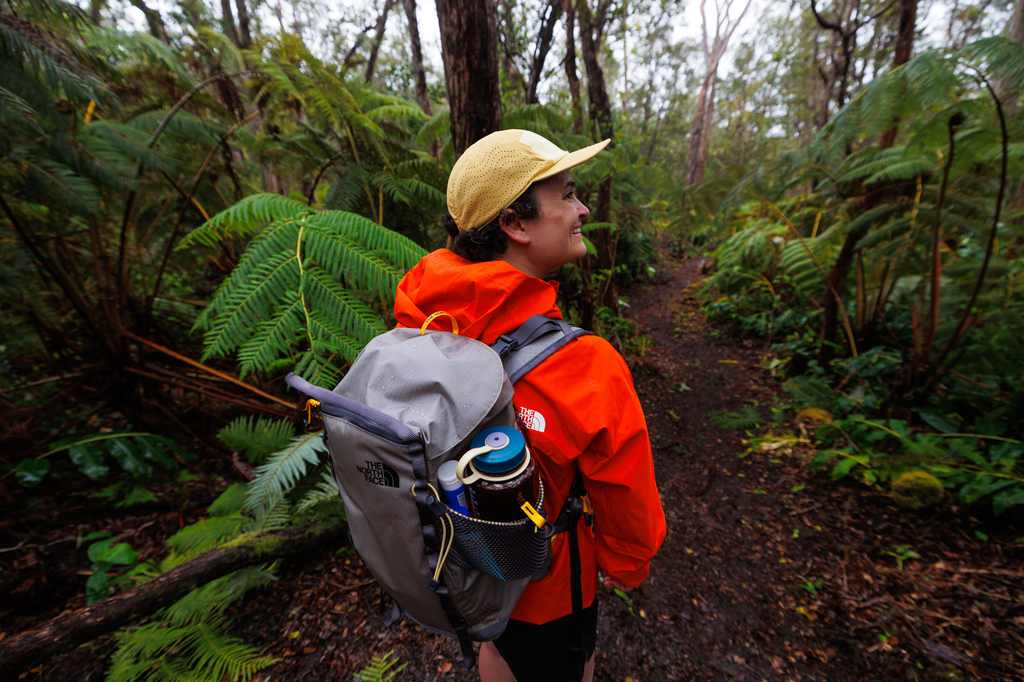
In the afternoon, take a hike through a Kona cloud forest on the Makaula-’O’oma trail, a 3.8 mile hike that winds through one of the island’s rare ecosystems. Cloud forests form at higher elevations where persistent fog keeps the landscape lush and green. Along the trail, you will walk beneath towering Hawaiian tree ferns, or hāpuʻu, the island’s most iconic native fern. The trail is mostly shaded and can be muddy, so sturdy shoes are recommended.
Pono pledge tip: Remember to only hike on the main hiking trail and never wander off-trail or pick any flowers or plants. This is a unique and sensitive ecosystem.
Day 3 (KONA): The southernmost bakery in the United States, black sand beach, and another coffee tour
On day 3 of your Island of Hawai’i itinerary, in the morning, check out of the Outrigger Kona Resort and Spa and get ready for a beautiful coastal drive to Hilo. You’ll enjoy fresh malasadas at the southernmost bakery in the U.S., relax on a black sand beach along the way, and go on another coffee tour.
Enjoy a malasada at the southernmost bakery in the U.S.
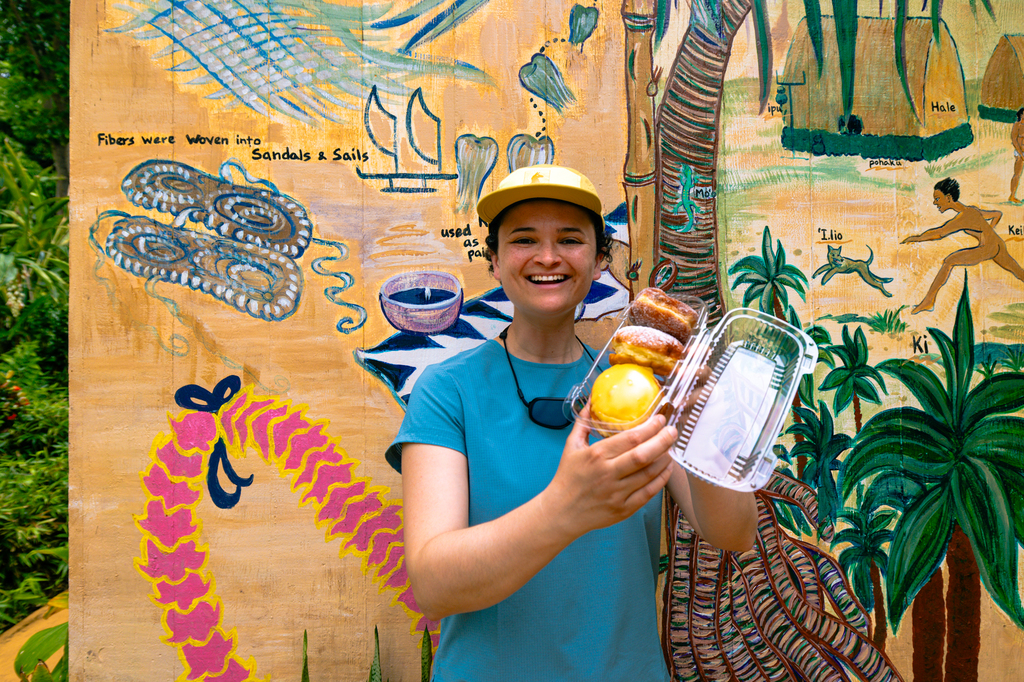
In the morning drive south to Punaluʻu Bake Shop, the southernmost bakery in the United States, for fresh malasadas. Malasadas remind me of sugar-coated donuts without the hole, and they are a Hawaiian specialty! You cannot miss this stop!
Relax for an afternoon at Punaluʻu Black Sand Beach
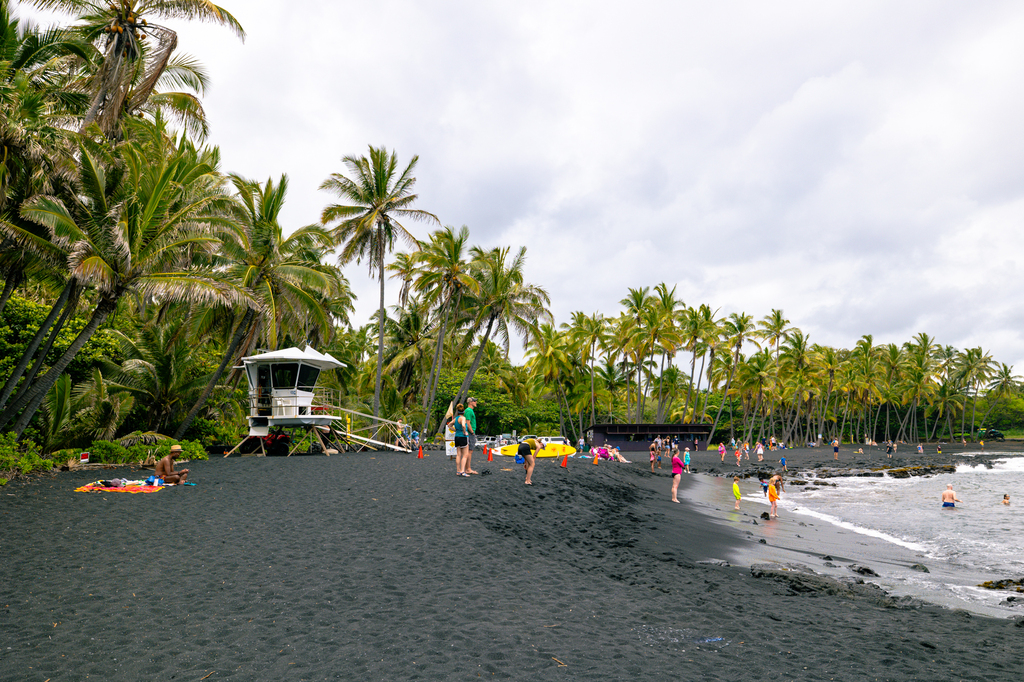
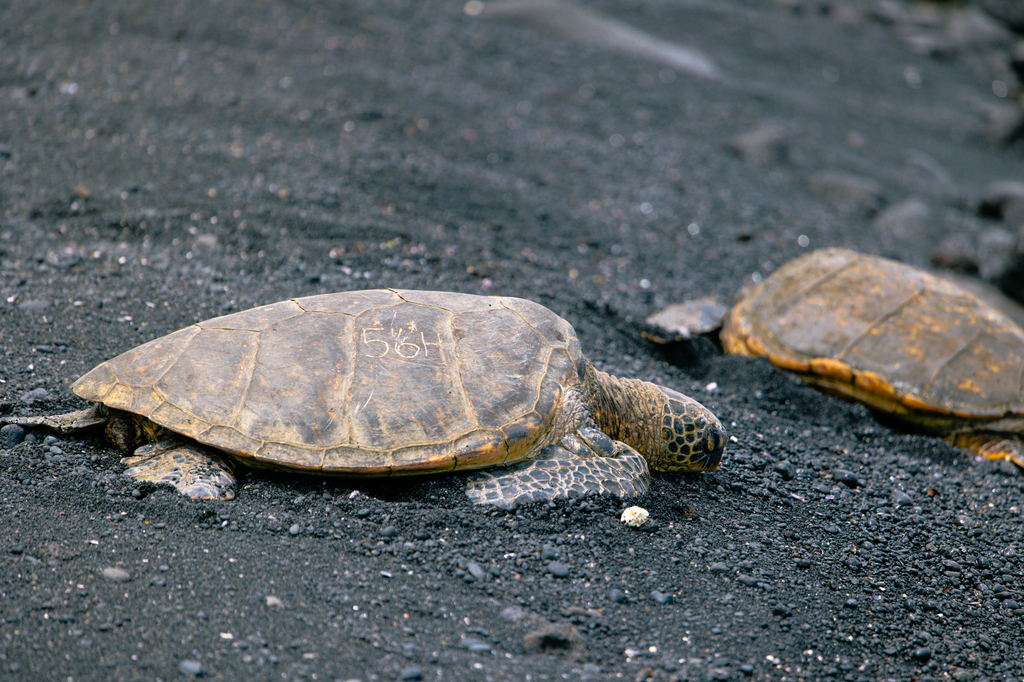
A bit farther south along the coast, Punaluʻu Black Sand Beach is one of the most striking stops on the Island of Hawai’i, with jet-black sand created by ancient lava flows. The beach is a common resting spot for Hawaiian green sea turtles which can often be seen basking along the shore. Framed by palm trees and volcanic rock, it is a beautiful place to lay out a beach blanket and relax under the palm trees!
Pono pledge tip: Remember to never approach or touch green sea turtles! They are a Federally protected species.
Visit the Ka’u Coffee Mill
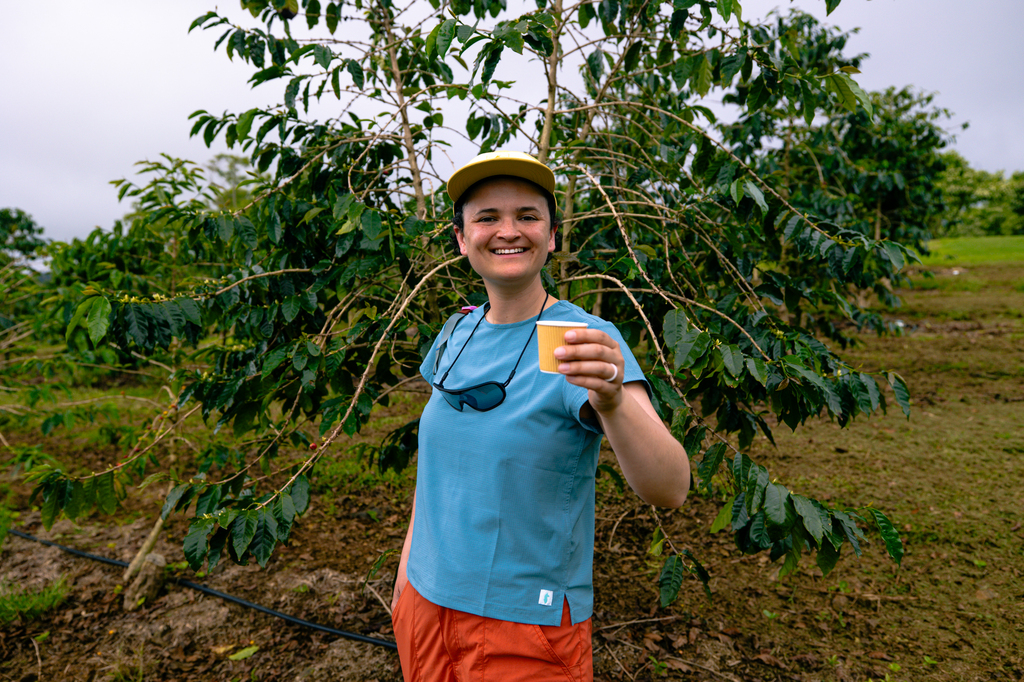
On the drive to Hilo, stop at the Kaʻū Coffee Mill for a free coffee farm tour and complimentary tastings. Grown on the slopes of Mauna Loa, Kaʻū coffee has earned international recognition as a high-quality alternative to Kona coffee, making this a fun stop to taste the difference for yourself.
Check into your Hilo lodging: Hilo hawaiiAN Hotel
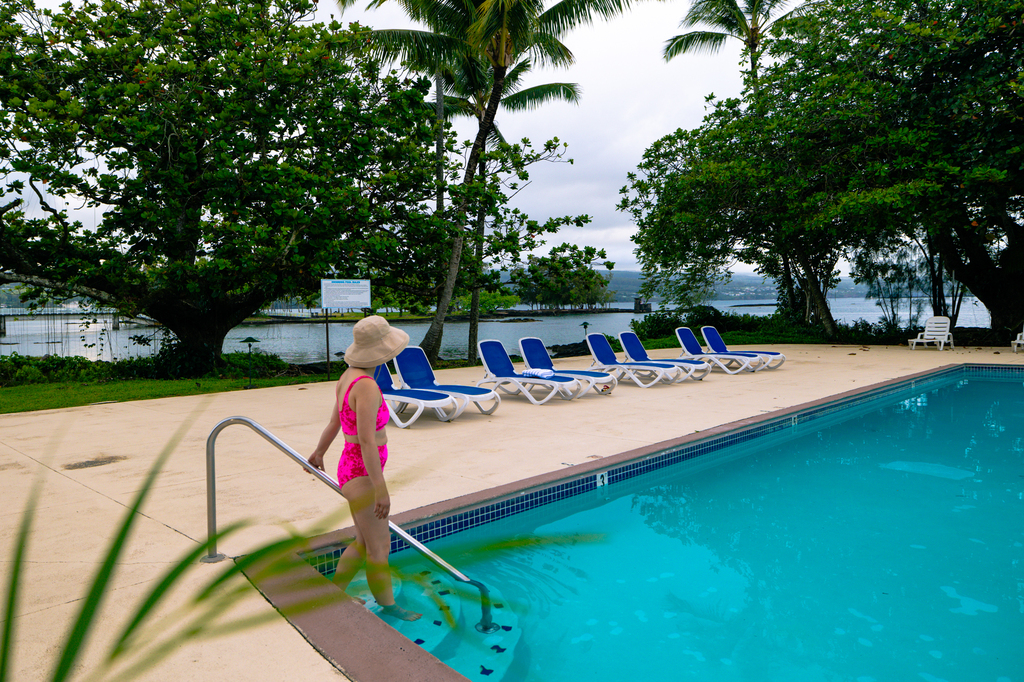
For your time on the eastern side of the island near Hilo, the two best places to stay are Volcano or Hilo. Staying in Volcano puts you right at the entrance to Hawaiʻi Volcanoes National Park; Volcano House is a great option with a truly unique crater-side setting. Hilo is about a 40 minute drive from the park but offers more dining, lodging, and things to do, which is why we chose to stay at the Hilo Hawaiian Hotel.
Day 4 (HILO): Hawai’i Volcanoes National Park
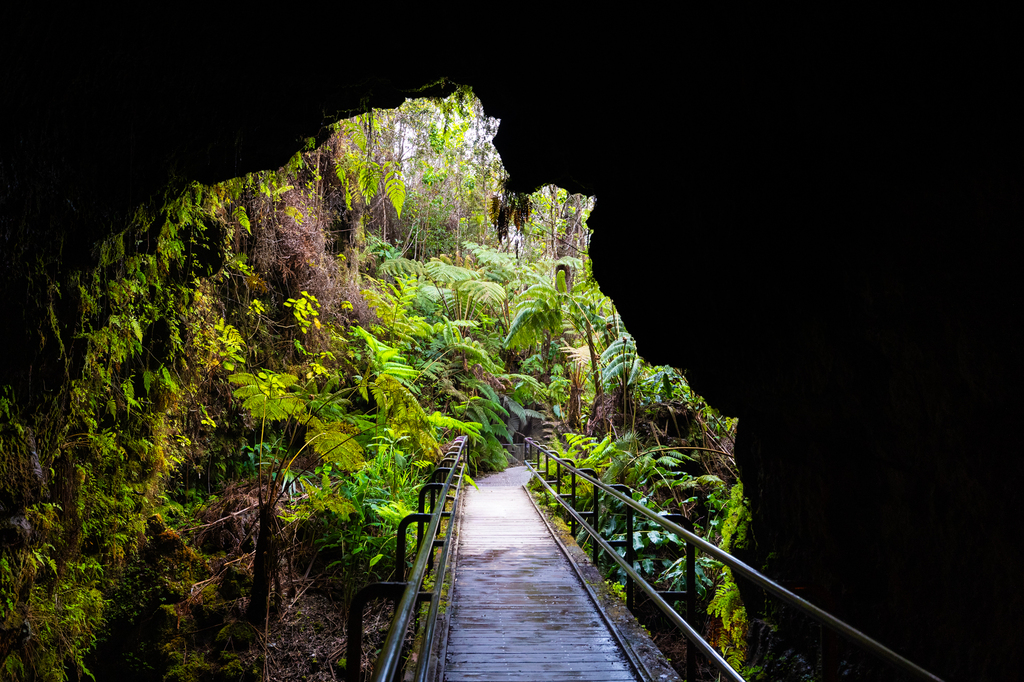
On day 4, you will spend an entire day at Hawai’i Volcanoes National Park. This national park protects two of the world’s most active volcanoes, Kīlauea and Mauna Loa, and offers a dynamic landscape shaped by immense amounts of lava. With one full day, you can see many of the park’s most iconic sights by combining short hikes, scenic drives, and crater viewpoints.
Click this link to find our in-depth 1-day guide for Hawai’i Volcanoes National Park.
Here are some of the highlights you will find when visiting the park:
- Kilauea Overlook for expansive views into the crater (0.1 mile hike)
- Uekahuna Overlook, especially for sunset and evening glow (0.1 mile hike)
- Steam Vents for geothermal activity and crater views (0.1 mile hike)
- Halema’uma’u Sulfur Banks Trail for a colorful geothermal hike – my favorite trail! (1.6 mil hike)
- Nāhuku Lava Tube Trail (Thurston Lava Tube) (1 mile hike)
- Puʻupuaʻi Overlook via Devastation trail – Gwyn’s favorite trail! (1 mile hike)
- Chain of Craters Road with multiple scenic pullouts
- Hōlei Sea Arch at the coast (0.5 mil hike)
A car is essential for exploring the park, and staying nearby in Volcano or Hilo makes it easy to arrive early and stay through sunset, which is one of the most memorable times to experience the park. I also recommend packing picnic lunch and dinner for this day as there are limited services in the park.
Pono pledge tip: Remember to respect “area closed” signs for your safety! The volcano is active and underground caverns can open up and seriously harm you if you wander off trail. Also, do not collect or bring home lava rocks. Leave the rocks where you found them.
Day 5 (HILO): Hilo Farmers Market, Tropical fruit farm tour, Waterfalls Hawai’i Tropical Botanical Garden
On day 5 of your Island of Hawaiʻi itinerary, dive into Hilo’s lush side with the Hilo Farmers Market, a tropical farm tour, waterfalls, and one of the most beautiful tropical botanical gardens in the United States.
Enjoy fresh fruits at the Hilo Farmers Market
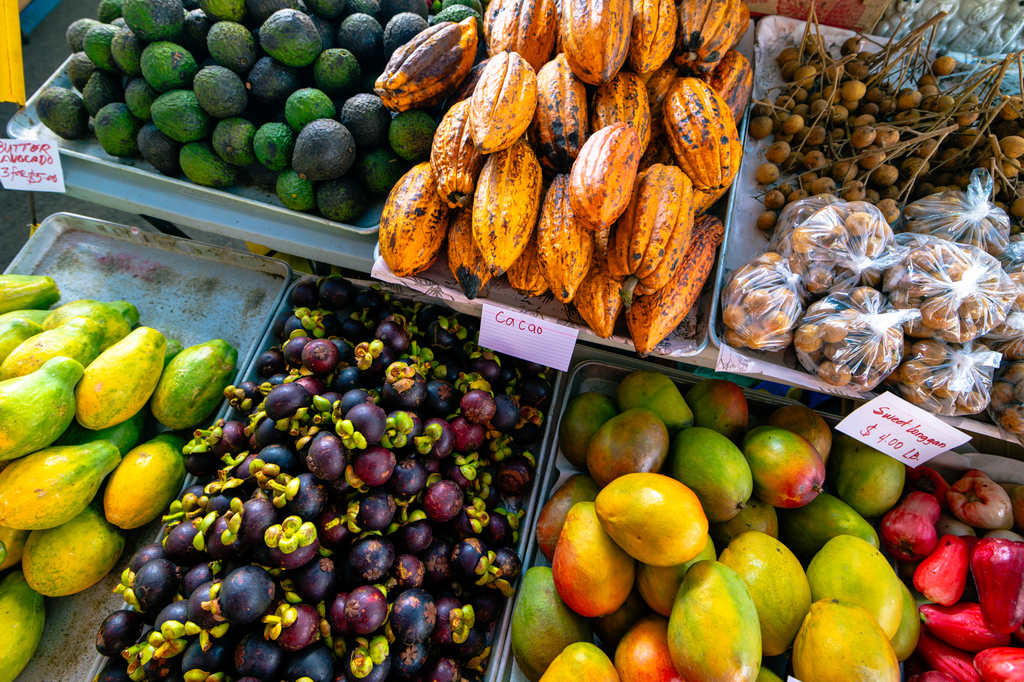
The Hilo Farmers Market is a must stop on the east side of the Island of Hawai’i, known for its incredible variety of tropical fruits and local treats. You will find ripe mango, coconut, rambutan, lychee, papaya, and mangosteen, along with baked goods like butter mochi, lumpia, rice cakes, and local teas. The market is open daily, but Wednesdays are the largest and most lively, with the widest selection of vendors. Bring cash!
Take a tropical fruit farm tour and see waterfalls
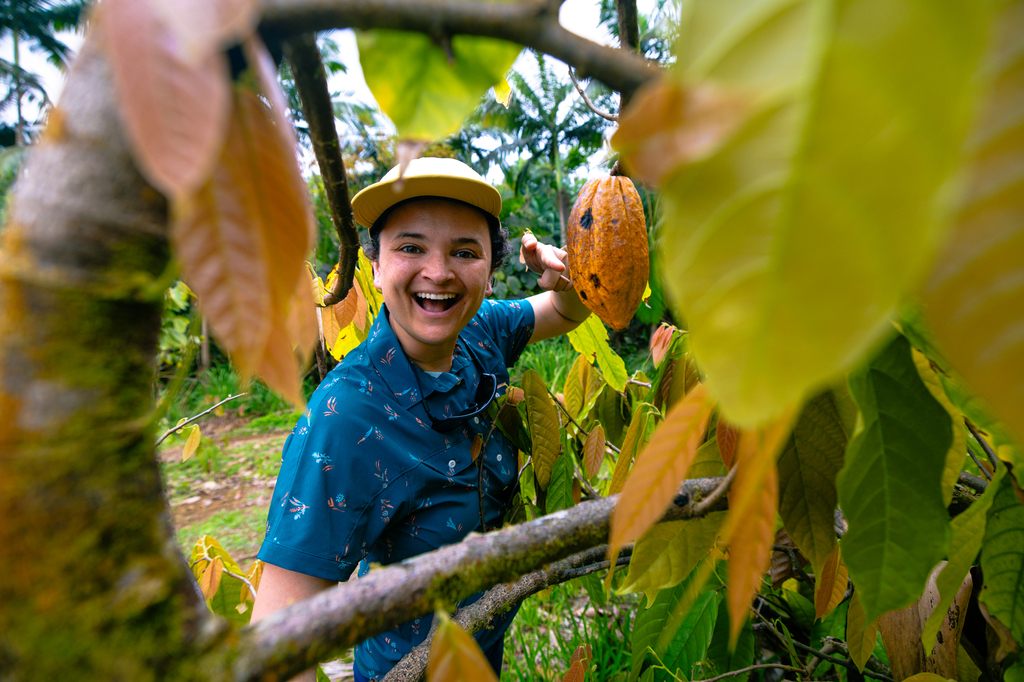
Just five minutes from downtown Hilo is O.K. Farms. I recommend booking the one-hour Rainbow Falls Farm Tour. You will tour the land surrounding the iconic Rainbow Falls and another stunning waterfall while learning about the farm’s incredible variety of tropical crops.
Along the tour, you will see lychee, longan, bananas, cinnamon, nutmeg, heart of palm, cacao, coffee, and more growing right on the farm. One of the highlights was tasting their fresh macadamia nuts and farm-grown cacao, which is especially cool since it is one of the only places chocolate is grown in the U.S.
Visit the beautiful Hawai’i Tropical Botanical Garden
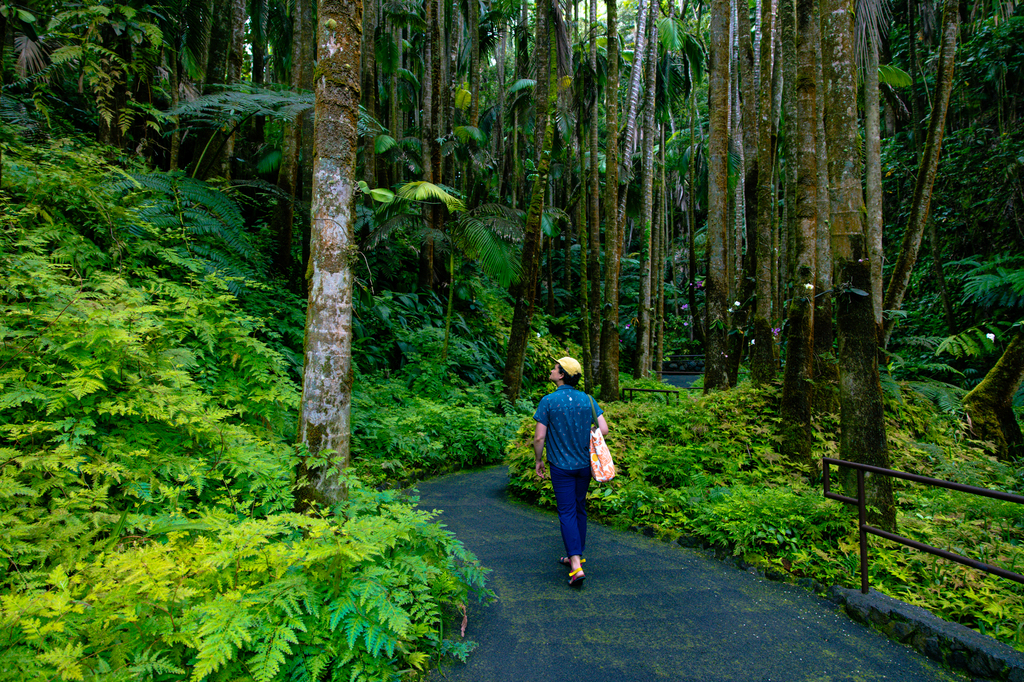
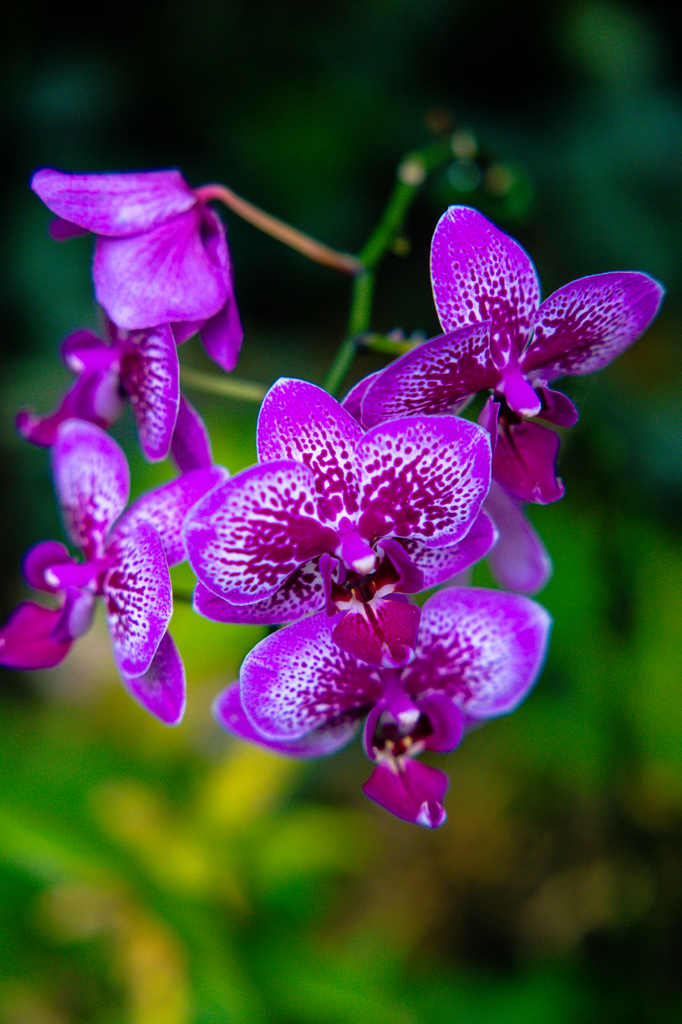
In the afternoon, take a short detour to the Hawaiʻi Tropical Botanical Garden. This is one of the most lush and vibrant tropical gardens in the United States. You will walk through gardens filled with orchids, towering palms, colorful tropical flowers, and peaceful waterfalls.
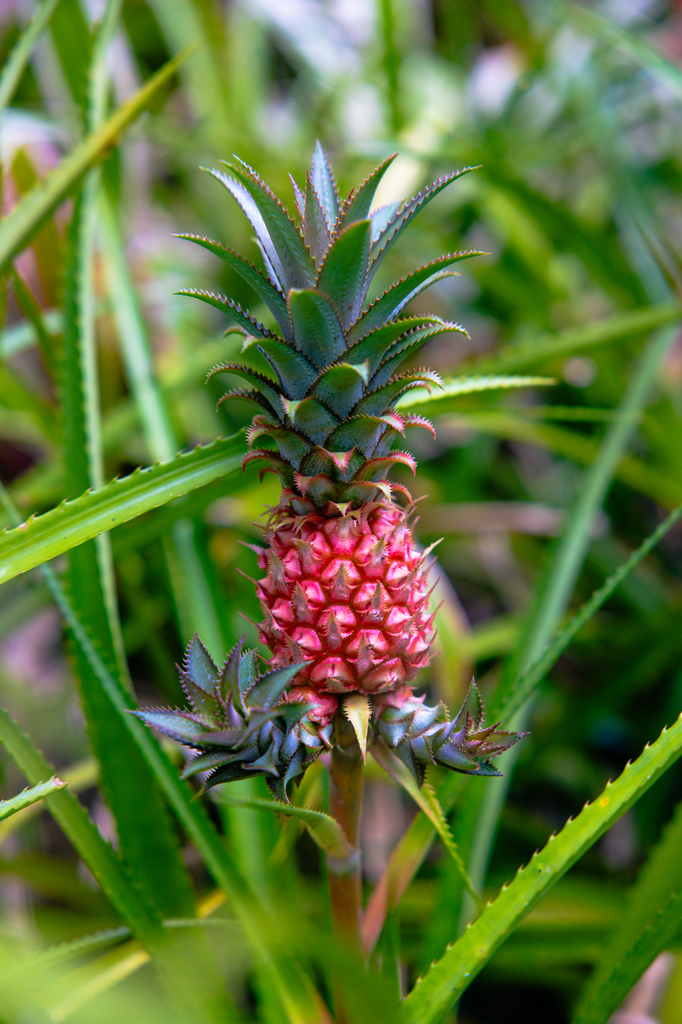
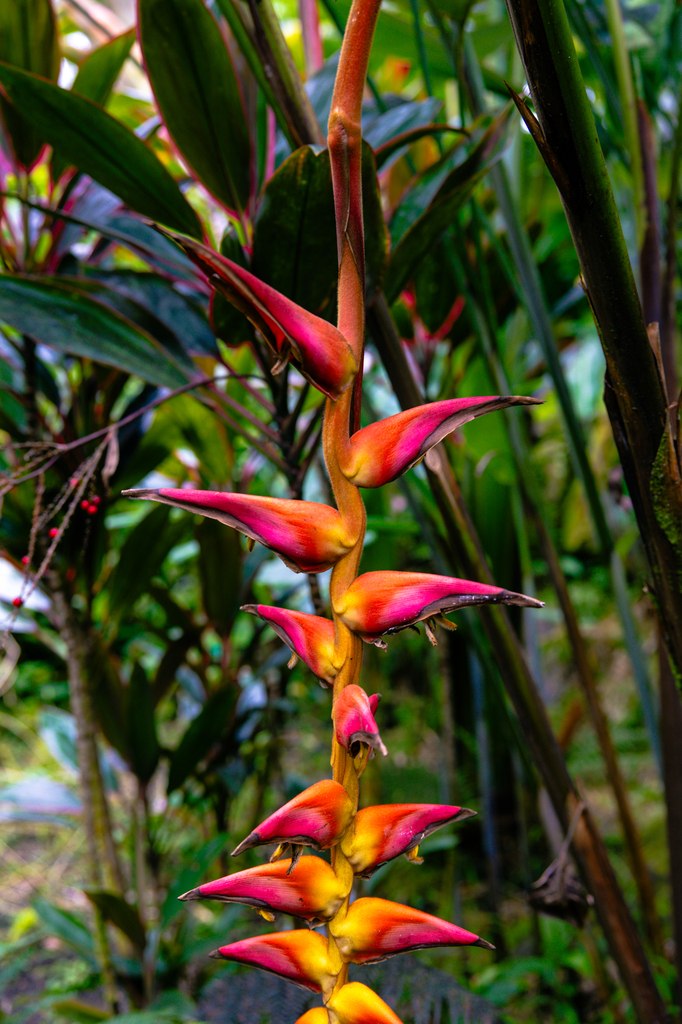
The real gem of this spot is its oceanfront setting, with stunning views of the dramatic, rocky coastline. Expect to spend about one to two hours exploring the grounds at a relaxed pace.
Day 6 (HILO to KoHaLA): Scenic lava field drive, and Mauna Kea
On day 6, check out of your Hilo / Volcano accommodations and head on a scenic drive inland to the Kohala coast.
Learn about the Hawaiian islands
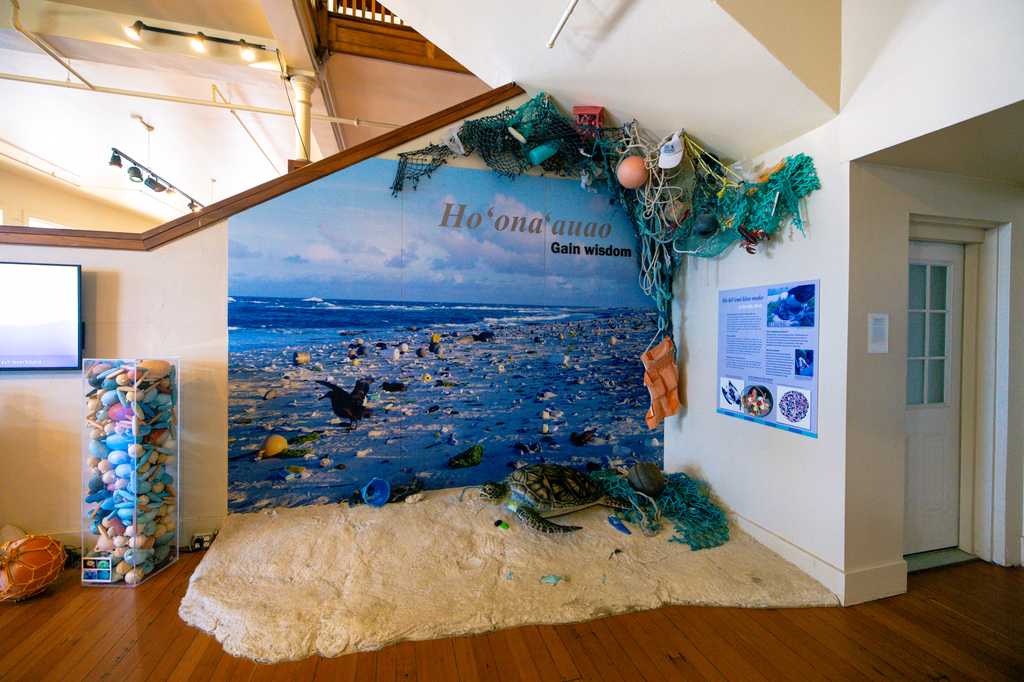
The Mokupāpapa Discovery Center, located in downtown Hilo, is a free science museum that shares the story of the Northwestern Hawaiian Islands (beyond the more populous 8 islands) and the surrounding marine environment, which many visitors never get to see.
Inside, you will find interactive exhibits about coral reefs, native wildlife, ocean conservation, and the cultural importance of these remote islands. It is a fantastic educational stop that adds context to Hawaiʻi beyond the main islands and only takes 20 minutes to an hour to explore.
Explore an underground lava tube
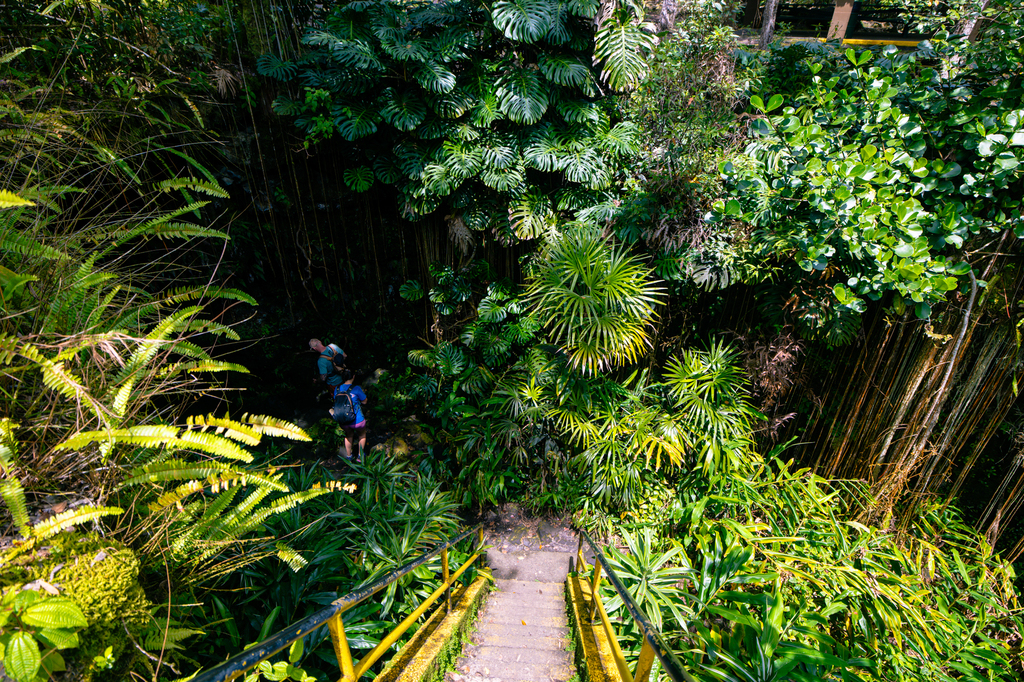
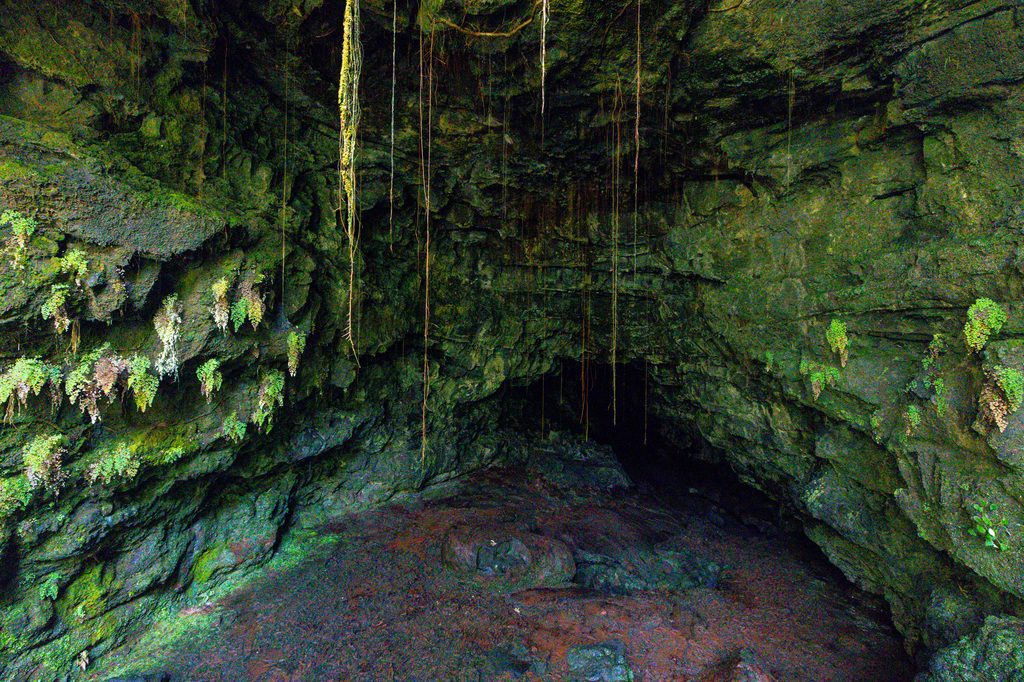
On your way out of Hilo, stop at Kaumana Caves, a series of underground lava tubes that offer a unique and adventurous hike. The caves are free to visit and allow you to explore the volcanic landscape from beneath the surface. One of the lava tubes extends quite far, making it a fun option for those who like a little adventure.
The caves are very dark, so a strong flashlight is essential, as a phone flashlight is usually too dim for these pitch-black spaces. The ground is rocky and uneven, so sturdy hiking shoes are a must. Parking and entry are free.
Hike the Kaulana Manu Nature Trail
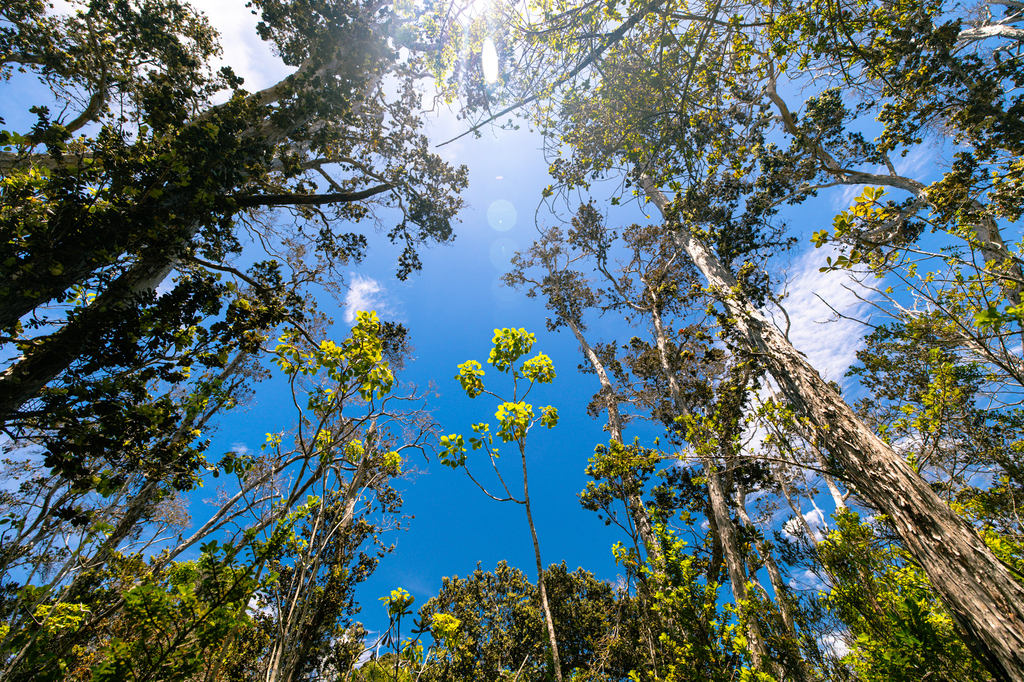
The Kaulana Manu Nature Trail was one of my favorite hikes on the island. This area protects critical native bird habitat, and it is a great place to hear and spot beautiful Hawaiian birds like the bright red ʻIʻiwi.
Although the trail is short at 0.6 miles, it is packed with excellent interpretive signs that explain both native and non-native species found throughout Hawaiʻi. The trail is free to visit and has ample parking, along with a bathroom at the trailhead, making it an easy and rewarding stop.
Pono pledge tip: When visiting the nature trail, please don’t pick any of the vegetation or approach the birds. This native habitat is rare and critical for their survival.
Hike up a cinder cone
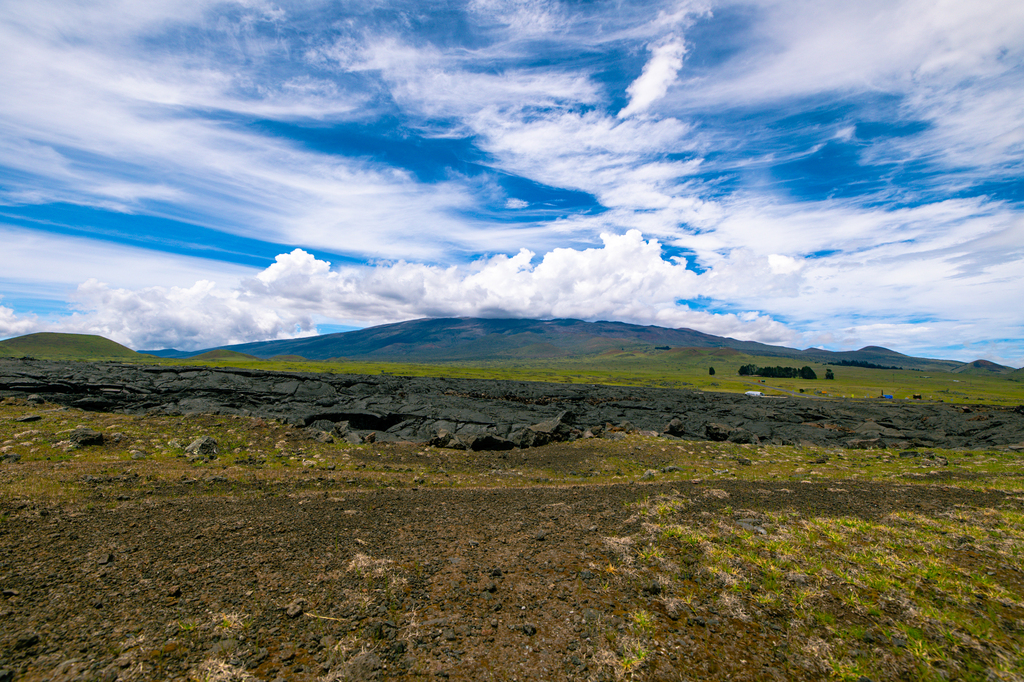
Slightly farther west of Hilo, take a short hike on the Puu Huluhulu Trail off Saddle Road. This trail climbs a cinder cone and offers incredible views of the surrounding sea of black lava, with Mauna Kea rising in the distance on clear days.
The hike is short and accessible at about 0.8 miles round trip, making it an easy stop with a big visual payoff. Parking is free, and the wide, well-maintained trail makes this a great option for most fitness levels.
Drive up to the Mauna kea Visitor Information Station
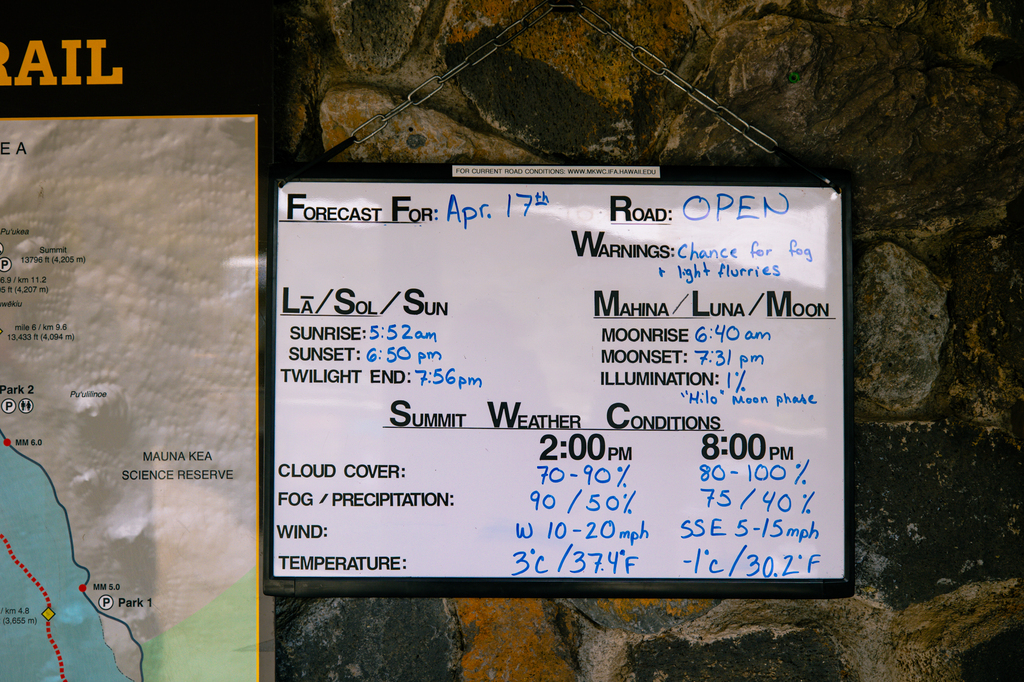
Drive up to the Mauna Kea Visitor Information Station for an unforgettable lesson on one of Hawaiʻi’s most sacred and dramatic landscapes. Though the road is steep, a 2WD vehicle is perfectly fine to reach the visitor station. You will need a true 4WD vehicle to continue past this point to the summit, as the road becomes extremely steep and rugged. Plan for cold weather at the top! You can also hike up to the summit of Mauna Kea, but that’s an all-day adventure and a MAJOR physical undertaking…
At the visitor station, you can take short hikes like the Silversword Trail, where you may see rare alpine plants found nowhere else on Earth. This is also a great place to learn about Mauna Kea’s deep cultural significance and its world-renowned astronomical research. The on-site exhibits and interpretive displays explain how the mountain connects ancient Hawaiian culture, modern science, and conservation. Visiting is free!
Safety tip: that the visitor center sits at about 9,000 feet. The air is thin, especially after being at sea level. Beware of altitude sickness. Hydrate!
Check into Fairmont Orchid on the Kohala coast
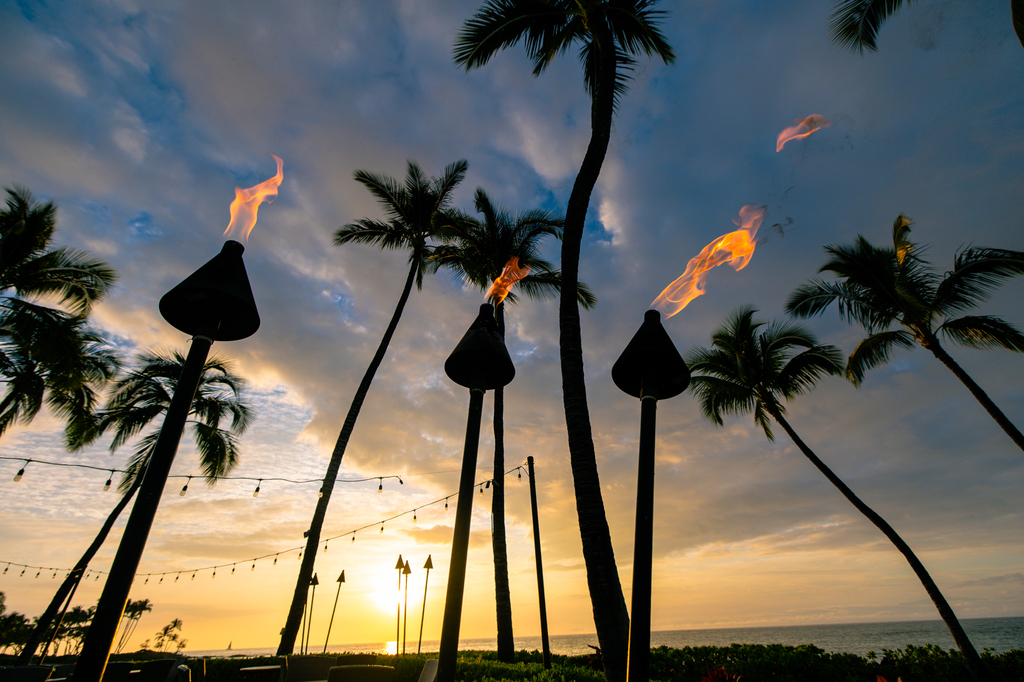
End your day by checking into the Fairmont Orchid on the stunning Kohala Coast. This beautiful four-star resort is known for its peaceful setting, ocean views, and lush tropical grounds. Upon arrival, you will be welcomed with a traditional orchid lei.
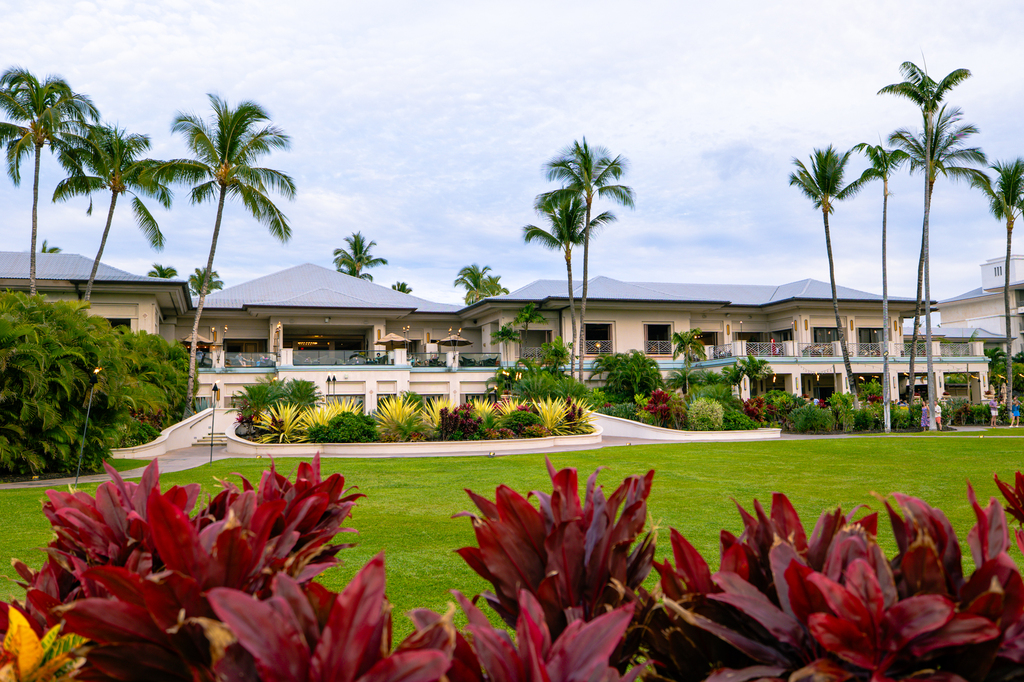
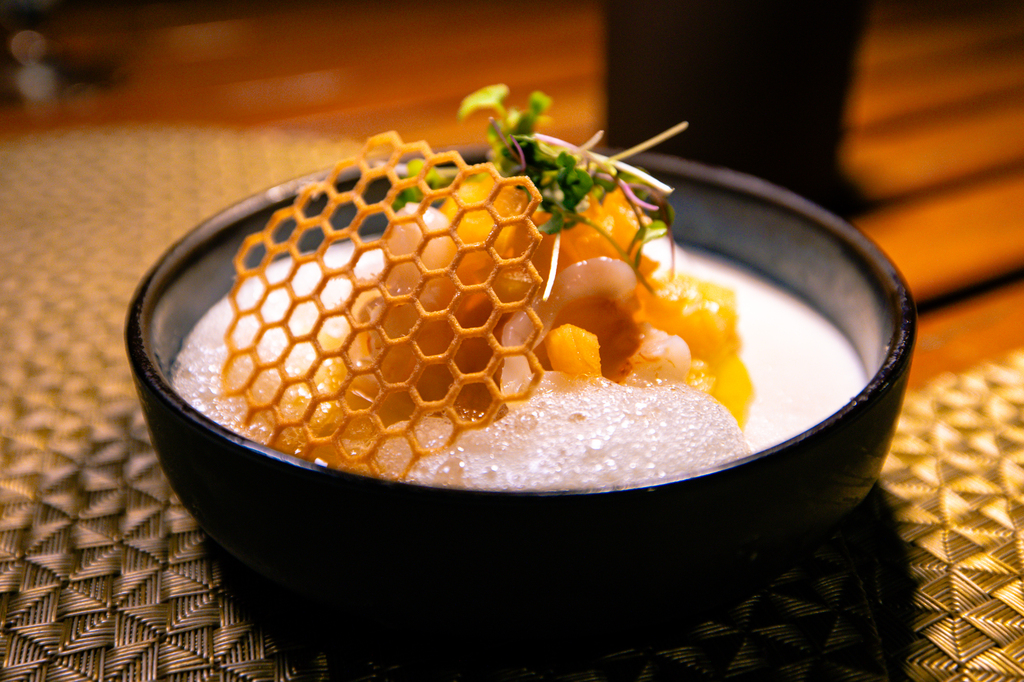
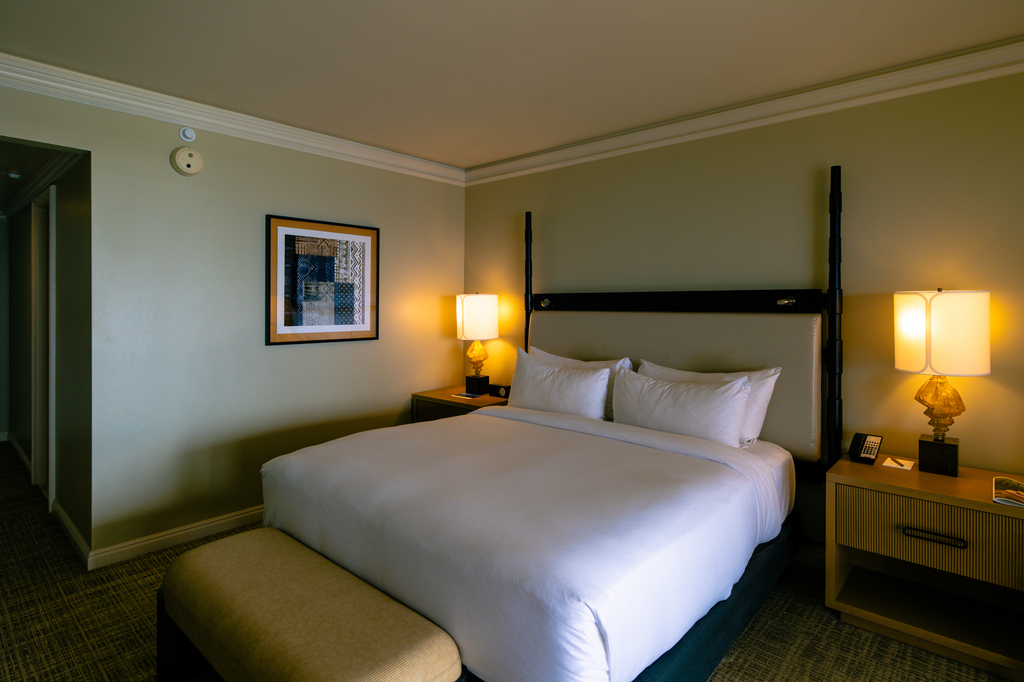
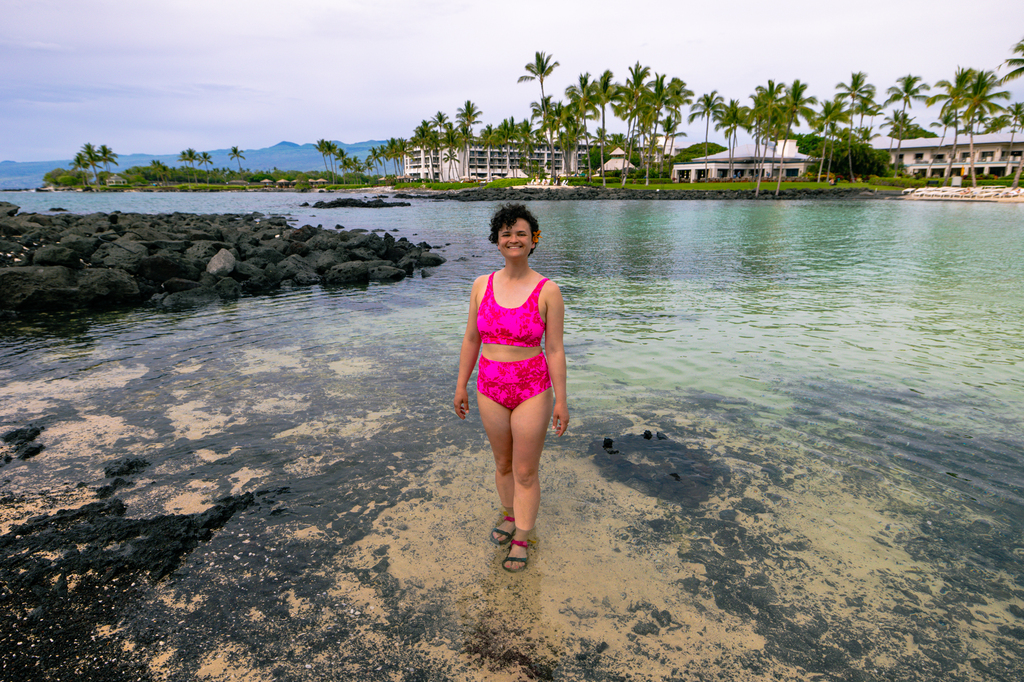
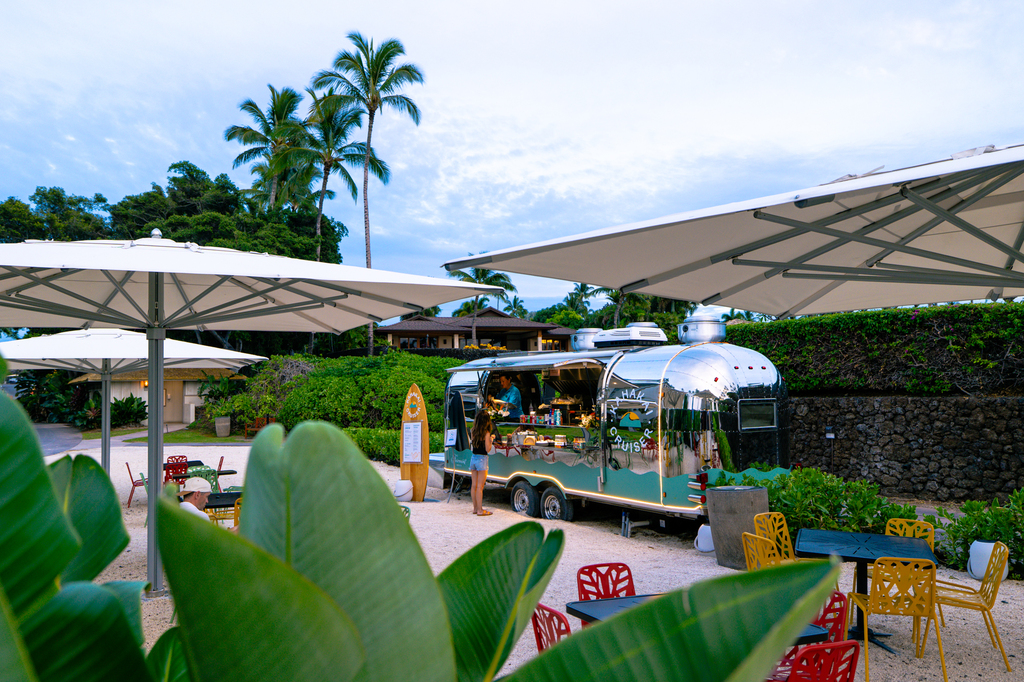
Wandering the resort is a highlight in itself, with winding pathways, immaculately maintained gardens, and plenty of places to enjoy the scenery. The oceanfront area offers easy access to a calm bay that is perfect for snorkeling. Each night you’ll have beautiful sunset views over the water, since the resort is facing west over the Pacific Ocean.
There are several restaurants on-site, which serve breakfast, lunch, and dinner.
Day 7 (KoHaLA): Snorkeling the Kohala coast and petroglyph trail
Day 7 of your Island of Hawai’i itinerary focuses on the Kohala Coast, starting with a sunrise snorkel at a coral restoration site and ending with a short hike through the Puʻakō Petroglyph Archaeological Preserve.
Canoe and Snorkel to a coral restoration site
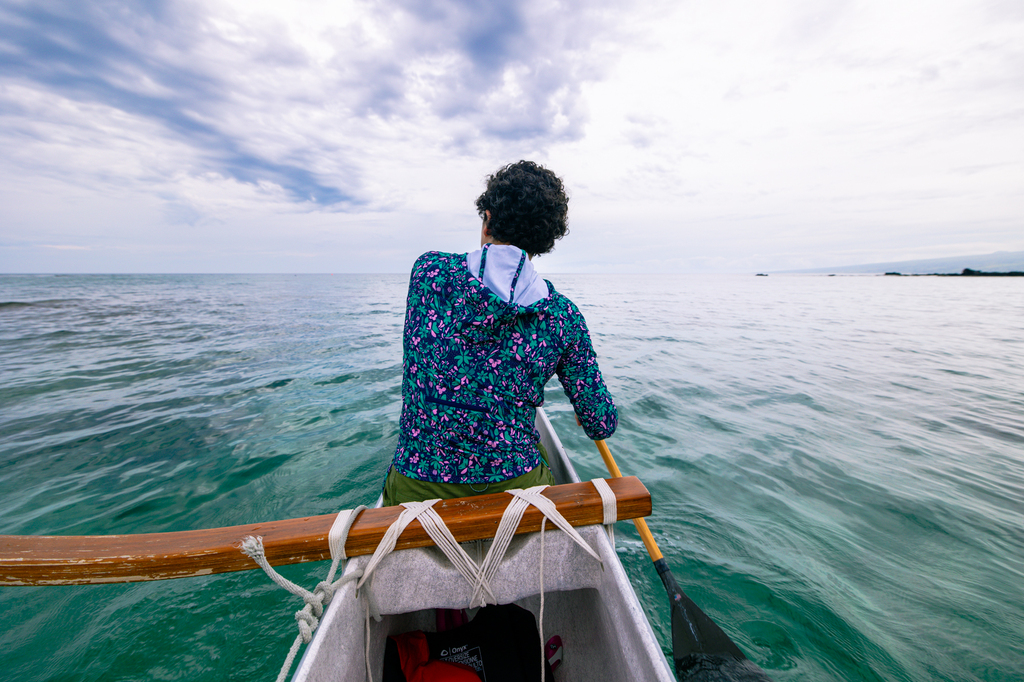
Start your morning with a private sunrise snorkel tour at the Fairmont Orchid, a short walk from your room. Make reservations through the resort concierge beforehand. When we went, we joined a local guide for a canoe and snorkel excursion, and visited the resort’s active coral restoration site. In partnership with the ʻĀkoʻakoʻa Coral Reef Restoration Program, guests have a rare opportunity to see firsthand how the Fairmont Orchid is helping protect and restore Hawaiʻi’s reefs for future generations. We saw tons of vibrant tropical fish, including Hawaiʻi’s state fish, the humuhumunukunukuāpuaʻa!
Pono pledge tip: When snorkeling, if you encounter a green sea turtle, please view them from a distance. Do not touch or “ride” the sea turtles. They are a Federally protected species.
Take a short hike to ancient petroglyphs
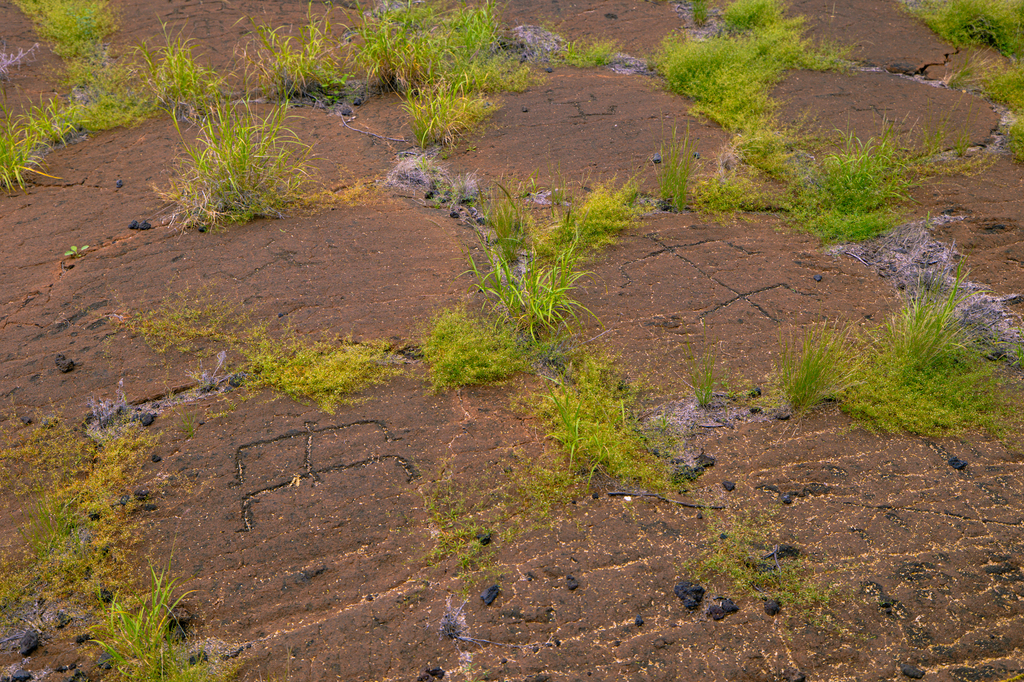
In the afternoon, take a short hike to the nearby Puako Petroglyphs, one of the most vast and well-preserved petroglyphs on the island. This site is a 1-mile walk from the Fairmont Orchid. Here, the 223-acre Puakō Petroglyph Archaeological Preserve boasts more than 3,000 ancient petroglyphs carved into the lava rock dating back 800 years. Make sure to wear sturdy shoes since the trail is rocky and dusty.
Pono pledge tip: The Puako Petroglyphs are an important Hawaiian cultural resource. Please respect signage asking visitors to not walk on, touch, or deface the petroglyphs.
Final thoughts on this Island of Hawai’i Itinerary
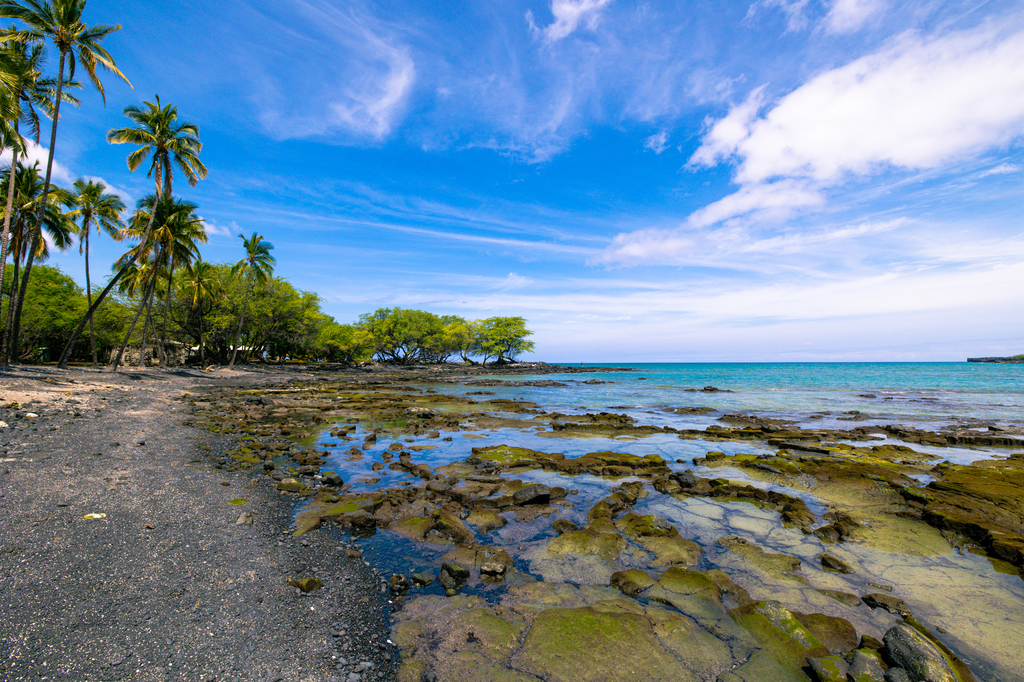
This 7 day Island of Hawaiʻi itinerary is designed to help you experience the island’s incredible diversity, from active volcanoes and lush rainforests to vibrant reefs and serene beaches. Following this loop allows you to see multiple sides of the Island of Hawaiʻi while still enjoying world-class resorts and amazing outdoor adventures. Remember the Pono Pledge when you travel, respect local culture, and allow extra time to slow down and truly appreciate this remarkable place.
Looking for more Island of Hawai’i guides? Head here for all of our guides to exploring this beautiful island.